 CarFault
Less guesswork.
More understanding.
Strange sound? Warning light? Something feels off? Follow the clues, explore your car and find a safer next step.

Search symptoms, sounds and warning lights
✓No account. No guesswork dressed as a diagnosis.
Start with what you notice.
A sound, a warning, a change in the way it drives. Every clue matters.
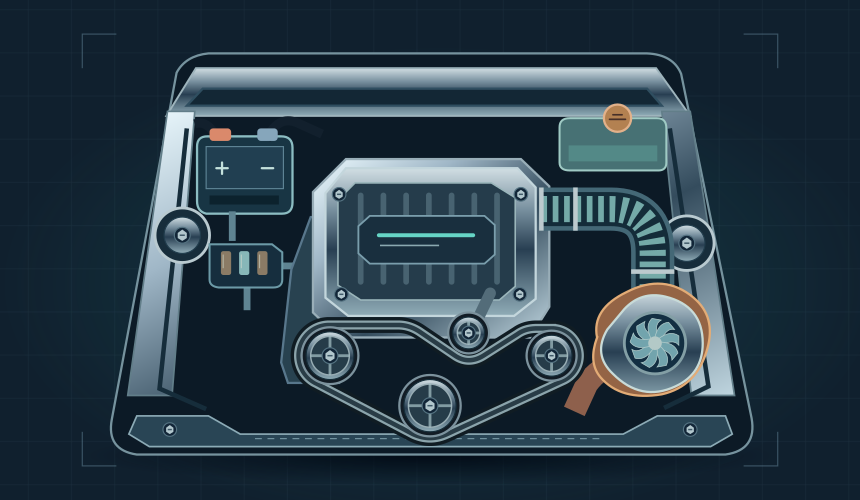 ↗
Whistling under the hood
Separate a belt squeal from an air leak. Tell us when the sound appears, explore the engine bay and compare the signs.
↗ Engine won’t start
First find out whether the engine turns. A no-crank problem and a cranking no-start need different checks.
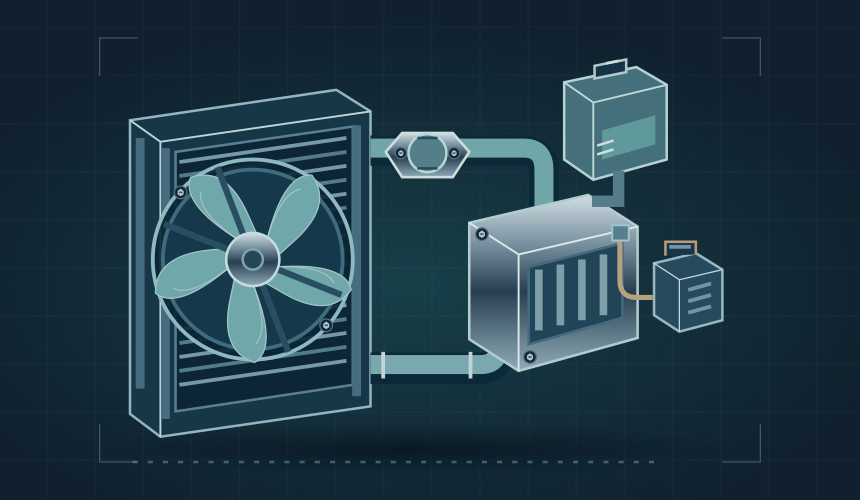 ↗
Engine overheating
A hot engine needs a safe stop before troubleshooting. Once it has fully cooled, the circumstances help narrow the cooling-system checks.
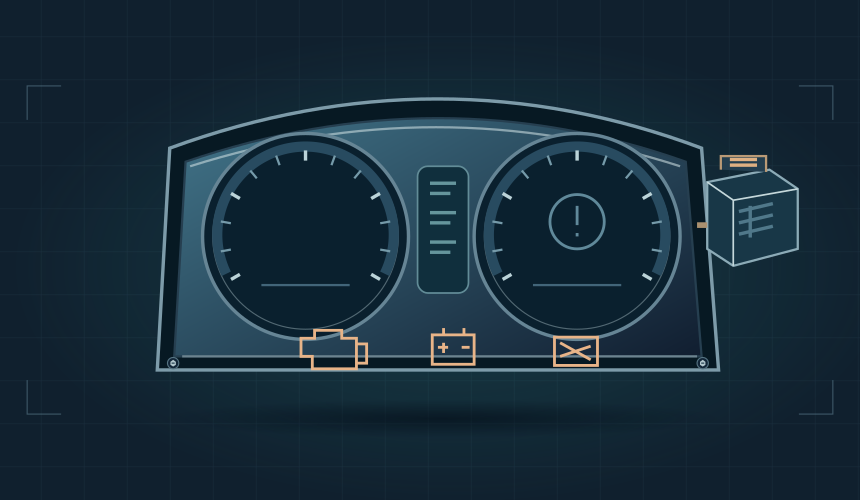 ↗
Check engine light
The lamp reports a detected engine or emissions fault. Its behavior and the way the engine runs determine the next step.
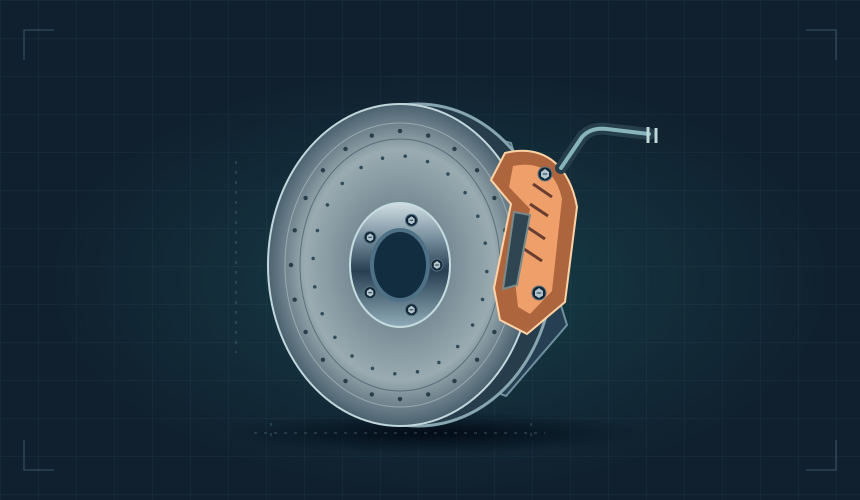 ↗
Steering wheel shakes when braking
Compare braking-only shake with speed-related vibration. Brake discs, wheel mounting and suspension can overlap.
↗ Squealing brakes
A squeal can come from friction surfaces, fitting hardware or caliper movement. Its timing and accompanying signs matter.
Where does it feel wrong?
Explore a system. Follow a symptom. Make sense of the signals.
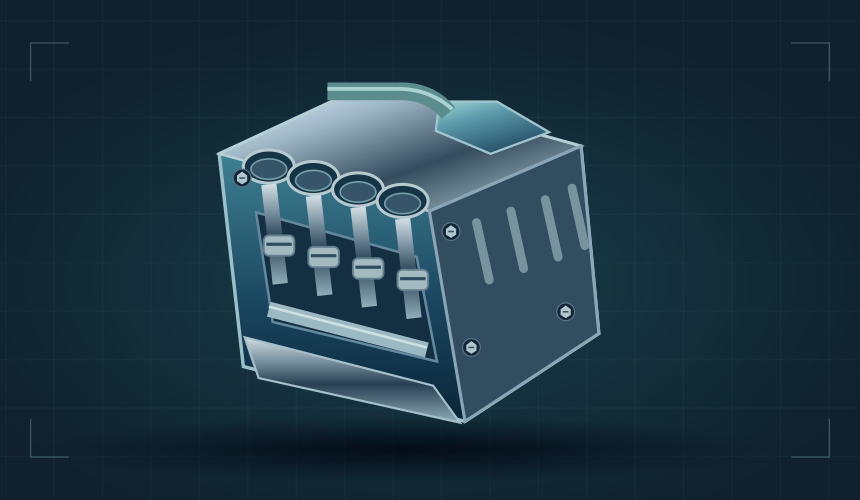 Engine & starting 20
· Available tools ↗
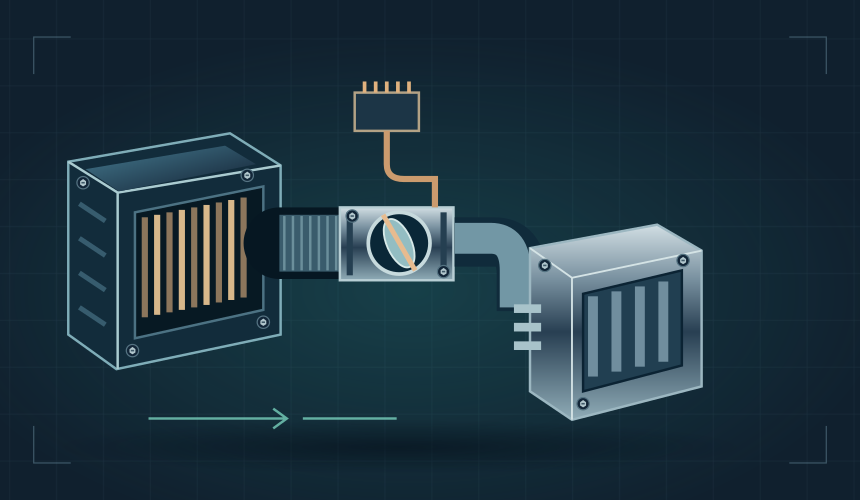 Air, fuel & exhaust 15
· Available tools ↗ Cooling & fluids 10
· Available tools ↗
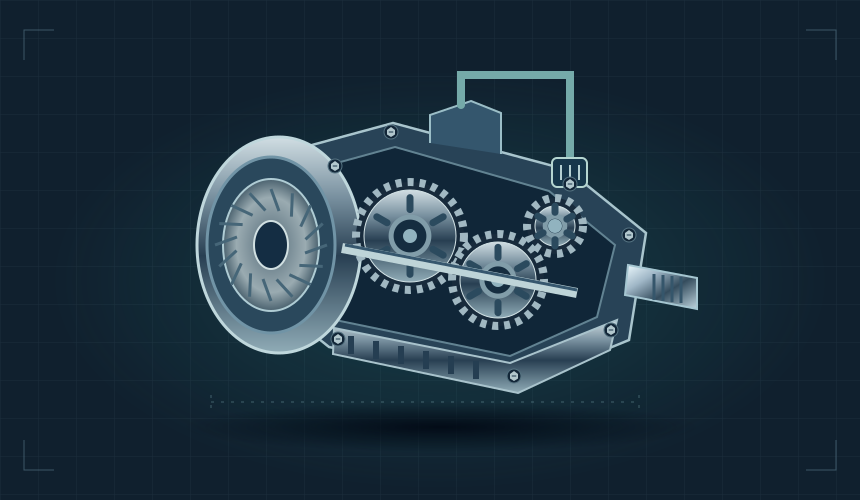 Transmission & drive 10
· Available tools ↗ Braking system 10
· Available tools ↗
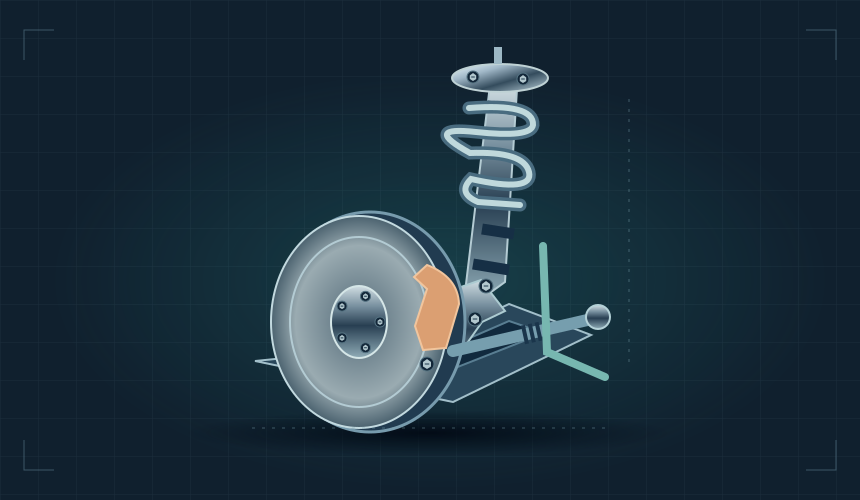 Suspension & steering 10
· Available tools ↗
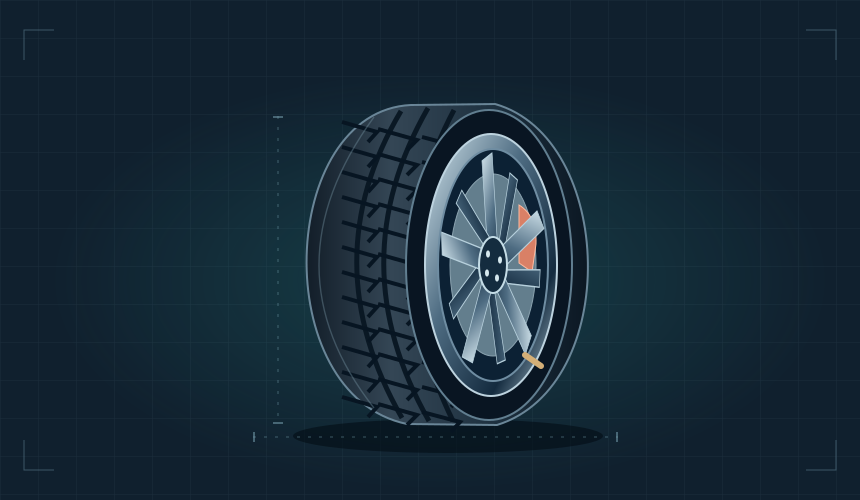 Wheels & tires 8
· Available tools ↗
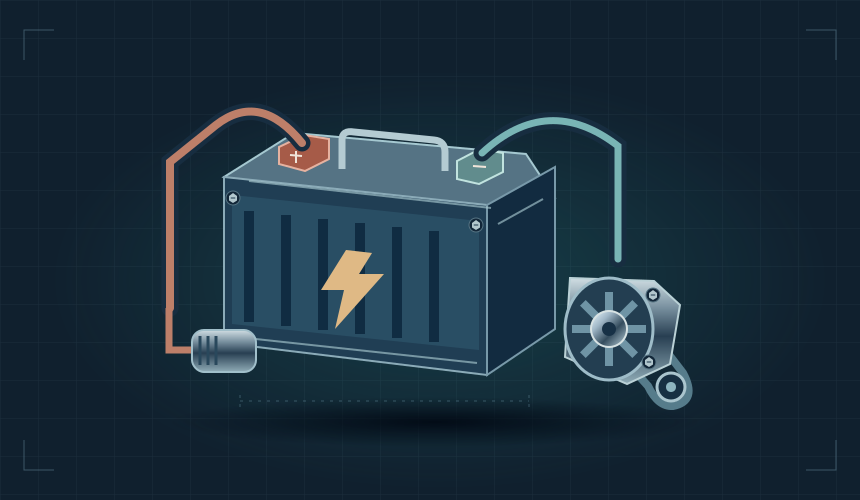 Electrical & electronics 12
· Available tools ↗
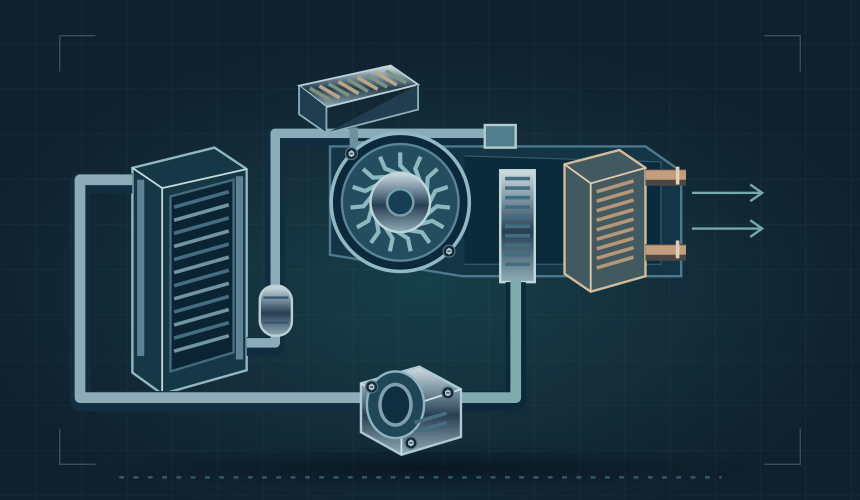 Heating & A/C 5
· Available tools ↗
From “what’s that?” to “what’s next”.
-
Notice the clues
Choose a symptom or select a part of the car.
-
Connect the dots
Answer relevant questions. “I’m not sure” is always a valid answer.
-
Find your next step
Compare possible causes and take away a useful report.
View all tools
Matching tools 100
Whistling under the hood
Separate a belt squeal from an air leak. Tell us when the sound appears, explore the engine bay and compare the signs.
Engine won’t start
First find out whether the engine turns. A no-crank problem and a cranking no-start need different checks.
Engine overheating
A hot engine needs a safe stop before troubleshooting. Once it has fully cooled, the circumstances help narrow the cooling-system checks.
Check engine light
The lamp reports a detected engine or emissions fault. Its behavior and the way the engine runs determine the next step.
Steering wheel shakes when braking
Compare braking-only shake with speed-related vibration. Brake discs, wheel mounting and suspension can overlap.
Squealing brakes
A squeal can come from friction surfaces, fitting hardware or caliper movement. Its timing and accompanying signs matter.
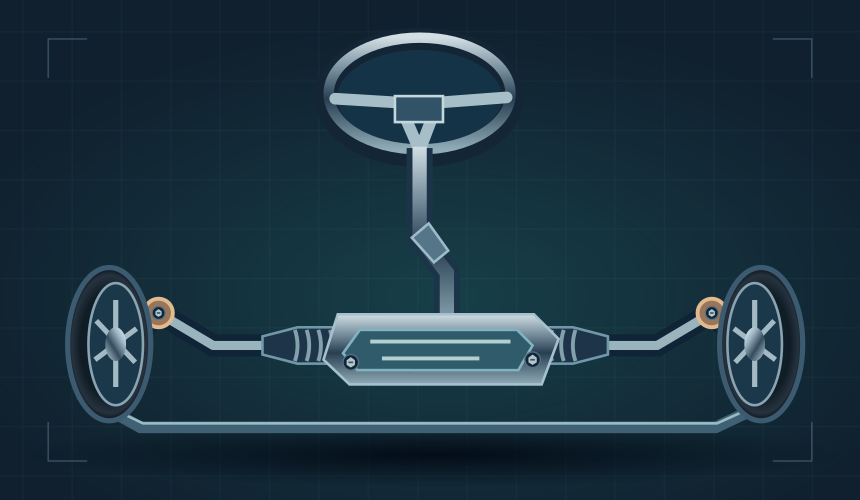
Car pulls to one side
Separate a constant pull from one that appears during braking. Tires, alignment and brakes each need different evidence.
Automatic transmission shifts hard
Describe which shifts feel harsh and whether there is delay or slipping. The transmission design and fluid procedure must be confirmed for your model.
Battery keeps going flat
Separate a battery that cannot hold charge from insufficient charging or an electrical load during parking.
A/C isn’t cooling
Start with airflow and the pattern of cooling loss. Refrigerant leaks, air distribution and compressor control can feel similar.
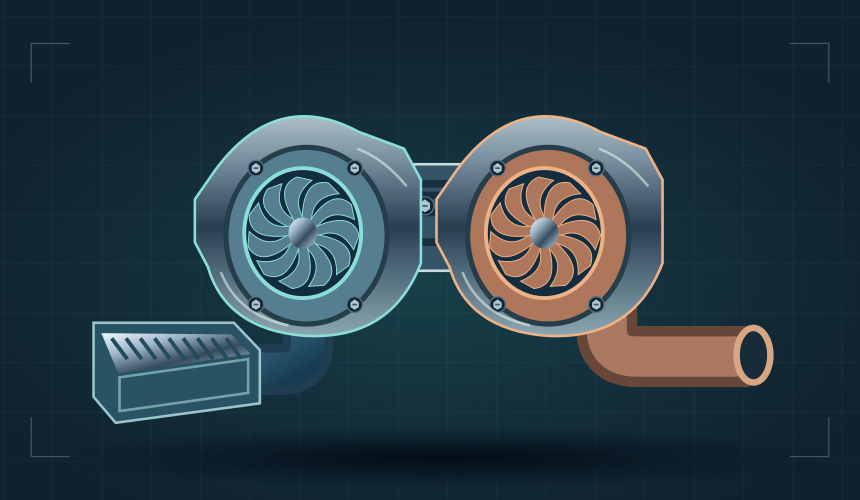
Loss of engine power
Separate an air-path or boost problem from interrupted fuel delivery and poor combustion. Reduced-power mode is a symptom, not a named failed part.
Delayed throttle response
Compare delayed engine response with engine revs rising while road speed does not. Throttle control and transmission response are different systems.
Excessive fuel consumption
First compare similar journeys and measurement methods, then consider rolling resistance, engine temperature and mixture control.
Engine does not warm up
A persistently low indication and weak heat may reflect thermostat operation or measurement and control faults. Warm-up varies with conditions.
Engine knocking
A new deep knock must be treated cautiously. Lubrication, internal mechanics and external mounts need different professional checks.
Engine ticking
Distinguish a brief light tick from persistent metallic noise and from accessory-drive sounds. Text cannot confirm valvetrain wear.
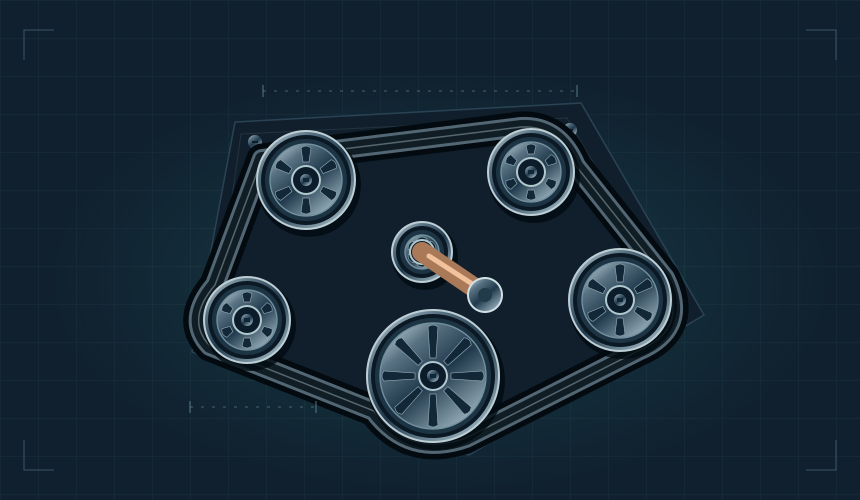
Accessory belt squeal
A sharp squeal can come from belt traction, tension or a loaded accessory. Keep hands and objects away from the entire drive.
Engine shaking strongly
Separate uneven combustion from vibration transmitted by mounts or an accessory drive. A flashing engine lamp with shaking means stop safely.
Starter does not crank
No rotation, clicks or a single clunk? Compare available electrical power with start authorization before blaming the starter.
Engine cranks but won’t start
Normal-speed cranking points toward combustion and control checks rather than a completely inactive starter.
Hard starting when cold
Cold cranking speed, first combustion and fuel/preheat operation help separate a weak electrical start from cold-engine running faults.
Hard starting when hot
A warm-only restart problem needs a distinction between slow cranking and normal cranking with missing combustion.
Rough or unstable idle
Watch the pattern of idle fluctuation and accompanying warnings. Air leaks, combustion faults and air control can feel similar.
Engine stalls at idle
A stall when stopped differs from a cutout at road speed. Compare idle stability, added loads and whether the engine restarts.
Engine stalls while driving
An unexpected cutout can reduce assistance and leave you exposed to traffic. Assess safety before comparing the conditions recorded before stopping.
Engine misfires
Uneven combustion can originate in petrol ignition, fuel delivery or air control. A flashing lamp with shaking needs an immediate safe stop.
Turbo whistling
A new turbo-area whistle does not prove turbo failure. Compare air leakage, load and changes from the vehicle’s usual sound.
Hissing under the hood
Distinguish an intake air hiss from boost leakage and a cooling-system release. Steam or overheating takes priority over troubleshooting.
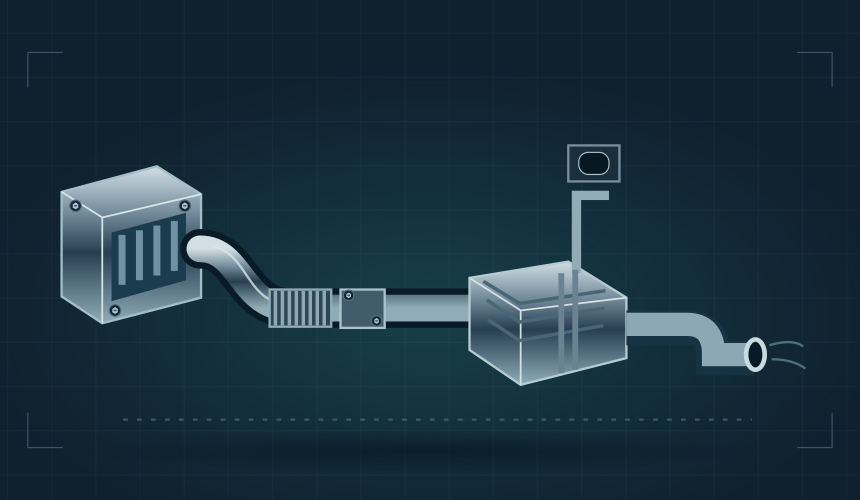
Black exhaust smoke
Dark exhaust suggests incomplete combustion or soot, but the cause depends on the engine and emissions system. Compare load, air supply and fuel symptoms.
Blue exhaust smoke
Blue-looking smoke with measurable oil loss needs investigation. Ventilation, internal wear and turbo oil paths require confirmation.
Persistent white exhaust smoke
Separate cold water vapor from smoke that remains after warm-up. Coolant loss and rough combustion change the inspection priorities.
Exhaust smell in the cabin
Exhaust fumes in the cabin require stopping use. After the hazard is addressed, record the prior conditions for a workshop inspection.
Gasoline smell
Persistent petrol odor may indicate a dangerous leak even without a puddle. Do not restart the vehicle to locate it.
Diesel fuel smell
Diesel odor can come from spillage, supply lines or injector-area leakage. Avoid contact and have persistent odor assessed before use.
Fuel leak
Treat suspected fuel leakage as a stop-use situation. Record only observations already made; do not open lines or energize a pump to investigate.
Unusual fuel pump noise
A pump-area hum alone does not measure fuel pressure. Distinguish a changed sound with running faults from vibration or low-fuel conditions.
Engine hesitates under load
Hesitation under load can reflect interrupted fuel delivery, poor combustion or lost boost. Use existing observations rather than hard acceleration tests.
Turbo not producing expected boost
Reduced boost may originate in pipework, control or a restriction elsewhere in the engine system. It does not automatically require a new turbo.
Diesel particulate filter warning
Record the exact warning and distinguish filter loading from the faults that prevent cleaning. Never use a universal forced-regeneration recipe.
Inaccurate fuel gauge
A gauge problem is different from actual fuel loss. Compare filling records and warning behavior without deliberately running the tank empty.
Exhaust system rattle
Compare a loose shield or hanger with an actual exhaust leak and contact caused by excessive powertrain movement.
Coolant leak
Repeated cold-level loss needs a source, not just repeated top-ups. Distinguish external leakage, heater leakage and internal loss.
Low coolant warning
Check the actual cold level only as permitted by the manual. A genuine loss and a warning-circuit issue must not be confused.
Cooling fan always running
Fan after-run and A/C demand can be normal. Continuous operation from a fully cold start requires comparison with temperature and control data.
Cooling fan not running
A stationary fan is not always a fault. If temperature rises, stop safely and have fan demand, electrical supply and sensing checked.
Oil pressure warning
An oil-pressure warning with the engine running means a safe stop and engine off. A normal level does not prove adequate pressure.
Engine oil leak
Identify repeated fresh loss before assuming a particular gasket has failed. Service residue and another fluid can imitate an engine-oil leak.
High oil consumption
Use the manufacturer’s measurement method to confirm a change. External leaks, oil burning and ventilation or turbo paths need separate checks.
Milky residue in engine oil
A small deposit under a filler cap differs from milky oil on the dipstick. Suspected widespread contamination means avoid running until inspected.
Suspected coolant in oil
Fluid mixing must be confirmed professionally. Engine sealing and a coolant/oil heat exchanger are different possible paths; cap residue alone is not proof.
Coolant smell in the cabin
Compare heater-circuit leakage with an engine-bay leak drawn through ventilation and unrelated cabin odors. Unsafe visibility takes priority.
Transmission slipping
Engine revs rising without matching road speed can indicate loss of drive through the transmission. Confirm the gearbox type and avoid load tests.
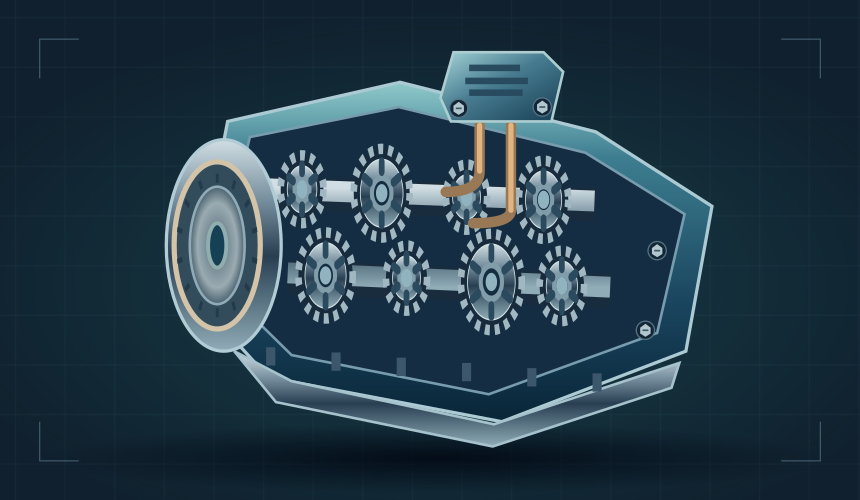
Manual gears hard to engage
Compare selection with the engine off against difficulty while running. Clutch disengagement, linkage and gearbox condition need different checks.
Clutch slipping
A clutch can slip through wear, contamination or release-system faults. Do not use a stall test or high-load acceleration to prove it.
Clutch pedal does not return
A pedal remaining down can involve hydraulic leakage, release actuation or a pedal/selector obstruction. Do not continue driving with unreliable disengagement.
CVT jerking
A CVT can jerk because of transmission control or fluid-related faults, but engine hesitation and mounts can imitate the symptom.
Gearbox whine
A transmission-area whine can originate from gears, bearings or nearby wheel and driveline components. Note gear, load and pedal dependence.
Car jerks during acceleration
Separate an engine stumble from a shift event or a driveline thump. Conditions already observed help decide which system to inspect.
Vibration under load
Torque-dependent vibration differs from vibration caused mainly by road speed. Compare driveline joints, mounts and engine running.
Car won’t move with a gear selected
Do not add throttle to force movement. First distinguish actual gear selection, lost transmission drive and a brake that has not released.
Grinding when braking
Harsh metallic grinding needs a brake inspection before reuse. Wear, damaged friction parts and a dragging caliper are different possibilities.
Soft brake pedal
A new soft or sinking pedal can indicate loss of hydraulic integrity. Keep the vehicle parked; do not road-test whether pumping helps.
Hard brake pedal
Unusually high effort during driving needs stop-use assessment. Distinguish assistance failure from a pedal observed only with the vehicle off.
Brake pedal pulsation
Separate genuine ABS intervention from recurring brake torque variation. Use the event you experienced, without repeating an emergency stop.
Car pulls to one side when braking
Braking-only pull needs a brake and tire inspection. Unequal brake action, friction damage and tire condition can overlap.
Parking brake stuck
Do not force the car to move or bypass its release interlocks. Compare the warning, electrical supply and evidence of mechanical sticking.
ABS warning light
An ABS warning can mean anti-lock assistance is unavailable. A red brake warning or reduced braking takes priority and requires a safe stop.
Brakes overheating
Smoke, severe heat or reduced braking means stop safely. When cool and safe, prior conditions help separate repeated braking from brake drag.
Suspected brake fluid leak
Suspected brake-fluid leakage is a stop-use condition. A low reservoir can also accompany pad wear, but that must not be used to dismiss visible leakage.
Front suspension knocking
Front-end knocks can travel through the chassis. Distinguish bump movement from turning, braking and steering play before naming a joint.
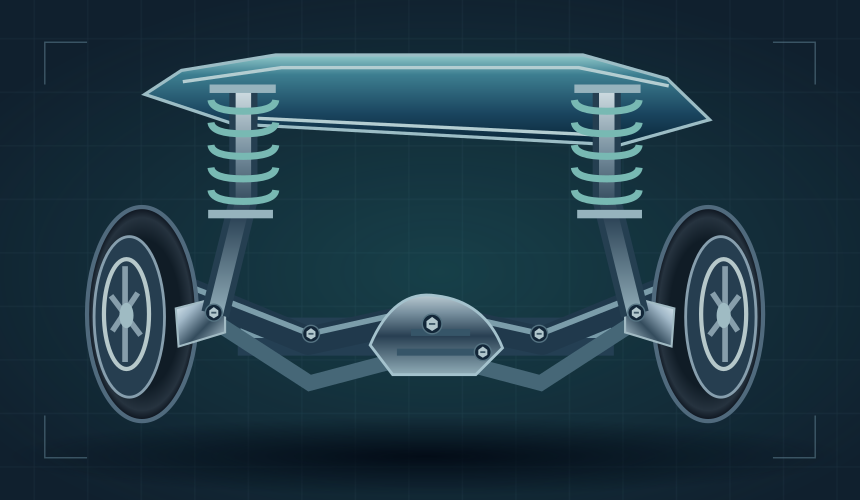
Rear suspension knocking
Rear knocks may come from suspension mounts or an exhaust that contacts the body. Compare bump behavior with body bounce and metallic rattling.
Steering wheel vibration at speed
Speed-related shake can originate in wheels, tires, bearings or suspension. Do not repeat a high-speed drive to locate it.
Steering wheel hard to turn
Identify assistance type and warning behavior. Mechanical binding, tire pressure and assistance loss need different professional checks.
Steering play
A delay between steering input and wheel response needs a mechanical inspection. Never try to remove play by tightening a rack adjuster yourself.
Clicking when turning
Compare repeated drive-related clicks with steering-joint knocks or strut movement. Avoid hard full-lock acceleration tests.
Power steering noise
Steering-related noise depends on whether assistance is hydraulic or electric. Do not hold the wheel against its stop to recreate the noise.
Steering rack knocking
A sound near the rack is not enough to condemn it. Inner joints, mounts and nearby suspension transmit similar knocks.
Uneven tire wear
The wear pattern is a clue, not a diagnosis. Pressure, geometry and suspension damping should be considered together.
Tire pressure warning
Measure cold pressure before resetting a warning. Low inflation, a leak and a TPMS malfunction require different next steps.
Tire repeatedly loses pressure
Repeated loss in one tire needs leak testing. Compare measured cold pressures rather than relying only on how the sidewall looks.
Wheel bearing hum
A bearing-like hum can also come from tire wear or driveline parts. Sound travel makes remote identification of a specific wheel unreliable.
Excessive tire road noise
Compare road texture and tread wear with load-dependent bearing noise. A louder tire does not automatically mean it is structurally safe.
Wheel wobble
Visible wobble or severe vibration needs prompt professional assessment. Tire integrity, wheel runout and hub condition must be checked before balancing alone.
Tire sidewall bulge
An outward sidewall bulge is a stop-use sign. It is different from a normal shallow inward indentation, and uncertain damage needs a tire specialist.
Car keeps bouncing after a bump
Continued body movement points toward damping checks, while a low corner or damaged tire calls for a wider suspension inspection.
Alternator not charging
A charging complaint may involve the battery, wiring or belt as well as the alternator. Smart charging prevents a single voltage value from being universal proof.
Battery charging warning light
A charging lamp while running concerns the charging system, not simply battery replacement. If drive or cooling assistance is affected, stop safely.
Headlights flicker
Separate one lamp’s fault from a shared power or charging disturbance. Do not drive at night with unreliable required lighting.
Headlights not working
Which side and beam have failed matters. Lamp units, switches and supply circuits require different checks; exact fuse and bulb types come from the manual.
Power windows not working
Compare one window with all windows and motor sound with glass movement. Keep fingers clear and never defeat anti-pinch protection.
Central locking not working
Which doors and control methods fail is useful evidence. Distinguish the key signal, one latch and a shared electrical problem.
Key fob not detected
A key warning can reflect the key, interference or vehicle power. Use only the exact backup procedure in your own manual.
Unfamiliar dashboard warnings
The exact symbol, color, text and operating state matter. A red stop message, loss of braking or control, overheating or oil pressure needs immediate safe action.
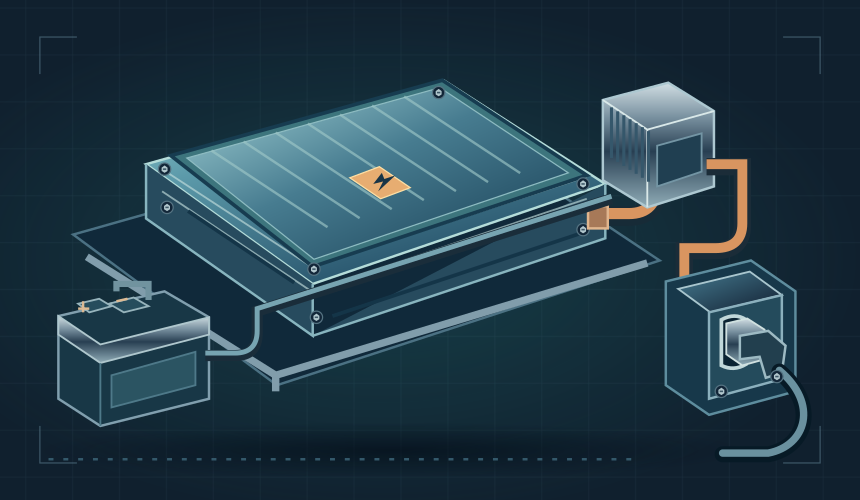
EV not charging
For EVs and plug-in hybrids only. Compare charge settings, the external station and vehicle alerts without forcing plugs or opening high-voltage parts.
Hybrid system warning
Record the exact hybrid warning. A message requesting a stop or evidence of high-voltage damage takes priority over all ordinary checks.
Wipers not working
Visibility is the first concern. Separate an obstructed mechanism, shared electrical supply and an automatic-mode-only problem without putting hands near energized wipers.
Unpleasant A/C smell
First separate musty ventilation odor from dangerous fuel, exhaust or burning smells. Then compare moisture, filter restriction and heater leakage.
Heater not warming the cabin
Compare airflow, engine warm-up where applicable and heat distribution. EV heating can use a separate electric heater or heat pump.
Windows fogging inside
Do not drive without safe visibility. Repeated interior fogging can reflect moisture, poor airflow/dehumidification or coolant leakage.
Cabin blower not working
Compare silent operation with weak airflow and missing speeds. A blower, speed controller, shared power fault and restricted filter need different checks.