 CarFault
Braking system
Explore symptoms, compare the signs and choose a safe next step.
Diagnostic tools
Matching tools 10
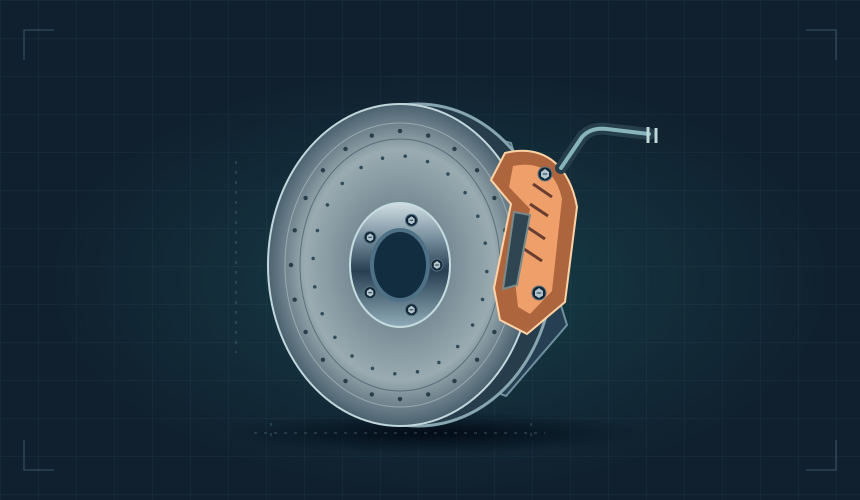
Squealing brakes
A squeal can come from friction surfaces, fitting hardware or caliper movement. Its timing and accompanying signs matter.
Grinding when braking
Harsh metallic grinding needs a brake inspection before reuse. Wear, damaged friction parts and a dragging caliper are different possibilities.
Soft brake pedal
A new soft or sinking pedal can indicate loss of hydraulic integrity. Keep the vehicle parked; do not road-test whether pumping helps.
Hard brake pedal
Unusually high effort during driving needs stop-use assessment. Distinguish assistance failure from a pedal observed only with the vehicle off.
Brake pedal pulsation
Separate genuine ABS intervention from recurring brake torque variation. Use the event you experienced, without repeating an emergency stop.
Car pulls to one side when braking
Braking-only pull needs a brake and tire inspection. Unequal brake action, friction damage and tire condition can overlap.
Parking brake stuck
Do not force the car to move or bypass its release interlocks. Compare the warning, electrical supply and evidence of mechanical sticking.
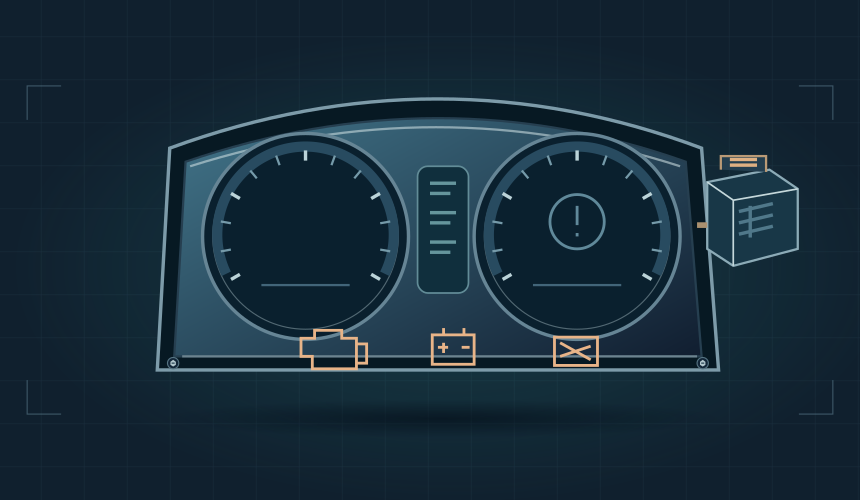
ABS warning light
An ABS warning can mean anti-lock assistance is unavailable. A red brake warning or reduced braking takes priority and requires a safe stop.
Brakes overheating
Smoke, severe heat or reduced braking means stop safely. When cool and safe, prior conditions help separate repeated braking from brake drag.
Suspected brake fluid leak
Suspected brake-fluid leakage is a stop-use condition. A low reservoir can also accompany pad wear, but that must not be used to dismiss visible leakage.