 CarFault
Wipers not working .
Visibility is the first concern. Separate an obstructed mechanism, shared electrical supply and an automatic-mode-only problem without putting hands near energized wipers.
This is symptom guidance, not a confirmed diagnosis. Inspection and vehicle-specific tests are needed before replacing parts.
Let’s follow the clues.
A few observations help separate the possibilities. Start with safety, then explore the symptoms you already know.
At your pace · no tools required
Understand the possibilities
Wiper linkage, motor or obstruction
+
A seized linkage, motor fault or external obstruction can stop wipers. Frozen blades must not be forced and hands must stay clear of an energized mechanism.
A motor sound without arm movement differs from complete silence; both need the correct power-off inspection.
After confirmation
Professionally check linkage, motor supply and controls; do not drive when required visibility cannot be maintained.
Wiring, connector or control-module signal
+
An intermittent connection or module signal can interrupt a function even when the mechanical component is intact.
Intermittency, several affected functions or onset after repair support circuit checks before a component is condemned.
After confirmation
Use vehicle-specific diagrams, fault data and supply/ground tests to confirm the affected circuit.
Warning interpretation and exact message
+
The same color or similar symbol may cover different systems. Identify the exact symbol and message in the manual before deciding severity.
A lamp during the ignition self-test differs from one remaining on during operation, but a red stop message must never be dismissed.
After confirmation
Record the message and operating state and obtain model-specific diagnostic help for persistent warnings.
Urgent signs
Is there smoke, a burning smell, a hot or damaged battery, or exposed wiring?
Stop driving as soon as you can safely do so. Switch the vehicle off and obtain professional roadside assistance. Do not restart to investigate.
Checks you can make safely
With the vehicle off, look for obvious case damage or corrosion without touching terminals. Do not disconnect the battery with the engine running.
Leave these to a professional
Do not reach into a running engine bay, work under an unsupported vehicle, bypass safety systems or open fuel, high-voltage or refrigerant circuits.
When to get help
Arrange professional inspection. Share the conditions, warning messages and your answers; ask the workshop to confirm the cause before repair.
This is symptom guidance, not a confirmed diagnosis. Inspection and vehicle-specific tests are needed before replacing parts.
A little more clarity
Can this confirm the failed part? +
This is symptom guidance, not a confirmed diagnosis. Inspection and vehicle-specific tests are needed before replacing parts.
Technical references
Sources explain general principles. Exact procedures and equipment depend on your vehicle. Editorial synthesis; no independent mechanic sign-off claimed.
Follow a related clue
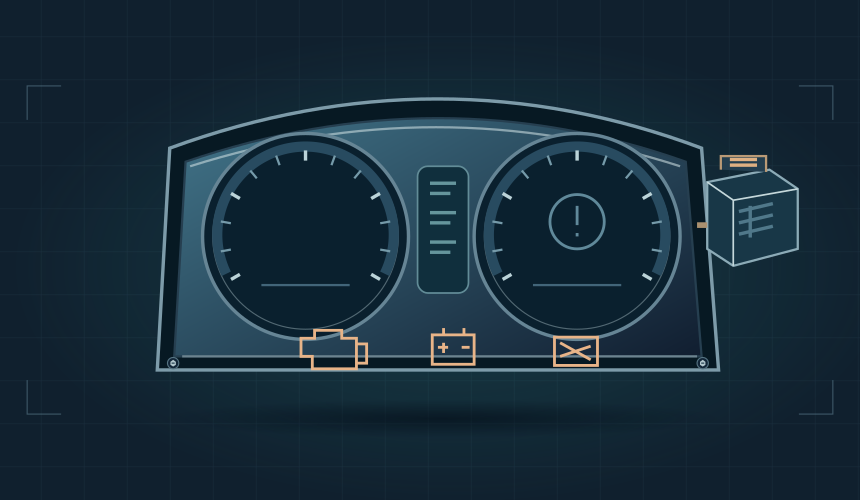 ↗
Unfamiliar dashboard warnings
The exact symbol, color, text and operating state matter. A red stop message, loss of braking or control, overheating or oil pressure needs immediate safe action.
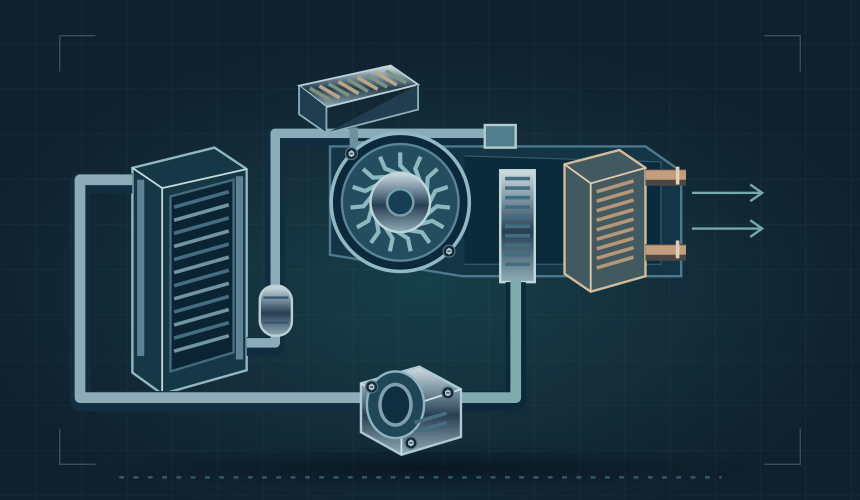 ↗
Windows fogging inside
Do not drive without safe visibility. Repeated interior fogging can reflect moisture, poor airflow/dehumidification or coolant leakage.
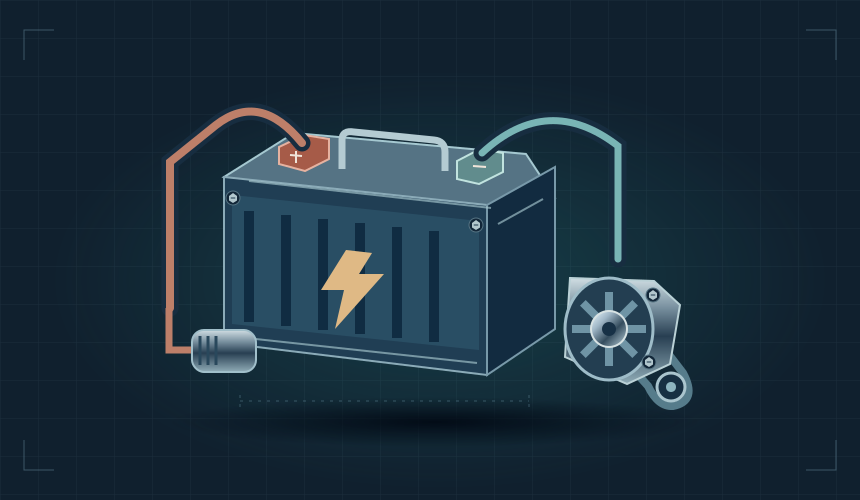 ↗
Battery keeps going flat
Separate a battery that cannot hold charge from insufficient charging or an electrical load during parking.