 CarFault
Car won’t move with a gear selected .
Do not add throttle to force movement. First distinguish actual gear selection, lost transmission drive and a brake that has not released.
This is symptom guidance, not a confirmed diagnosis. Inspection and vehicle-specific tests are needed before replacing parts.
Let’s follow the clues.
A few observations help separate the possibilities. Start with safety, then explore the symptoms you already know.
At your pace · no tools required
Understand the possibilities
Selector linkage or shift control
+
A linkage, cable, interlock or selector/control fault can prevent the intended gear from being selected.
A mismatch between lever position and indicated gear differs from engine revs rising after a gear engages.
After confirmation
Verify selector operation and actual gear engagement with scan data and mechanical inspection.
Transmission control or internal wear
+
Repeated harsh shifts, flare or slipping can involve control, valve-body or friction-element faults that need scan and hydraulic tests.
Rising RPM without matching acceleration differs from a single engagement clunk.
After confirmation
Use the manufacturer diagnostic sequence to distinguish software/control issues from mechanical wear.
Parking brake not releasing
+
A mechanical cable, actuator or control fault can keep a parking brake applied. Interlocks and release procedures vary by model.
A parking-brake message and resistance to moving differ from engine revs flaring with free-rolling wheels.
After confirmation
Do not force movement; professionally verify release command, supply and mechanical action before recovery or repair.
Urgent signs
Has steering or braking become unreliable, has propulsion stopped in traffic, or is there severe wheel/tire damage, smoke or an urgent stop message?
Stop driving as soon as you can safely do so. Switch the vehicle off and obtain professional roadside assistance. Do not restart to investigate.
Checks you can make safely
Park safely, switch the vehicle fully off and consult its owner manual before any visual observation. Keep clear of moving or hot components.
Leave these to a professional
Do not reach into a running engine bay, work under an unsupported vehicle, bypass safety systems or open fuel, high-voltage or refrigerant circuits.
When to get help
Arrange professional inspection. Share the conditions, warning messages and your answers; ask the workshop to confirm the cause before repair.
This is symptom guidance, not a confirmed diagnosis. Inspection and vehicle-specific tests are needed before replacing parts.
A little more clarity
Can this confirm the failed part? +
This is symptom guidance, not a confirmed diagnosis. Inspection and vehicle-specific tests are needed before replacing parts.
Technical references
Sources explain general principles. Exact procedures and equipment depend on your vehicle. Editorial synthesis; no independent mechanic sign-off claimed.
Follow a related clue
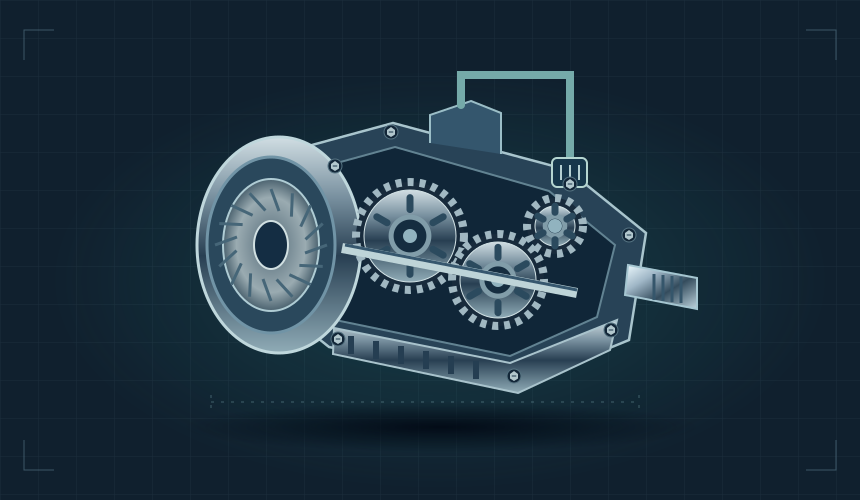 ↗
Transmission slipping
Engine revs rising without matching road speed can indicate loss of drive through the transmission. Confirm the gearbox type and avoid load tests.
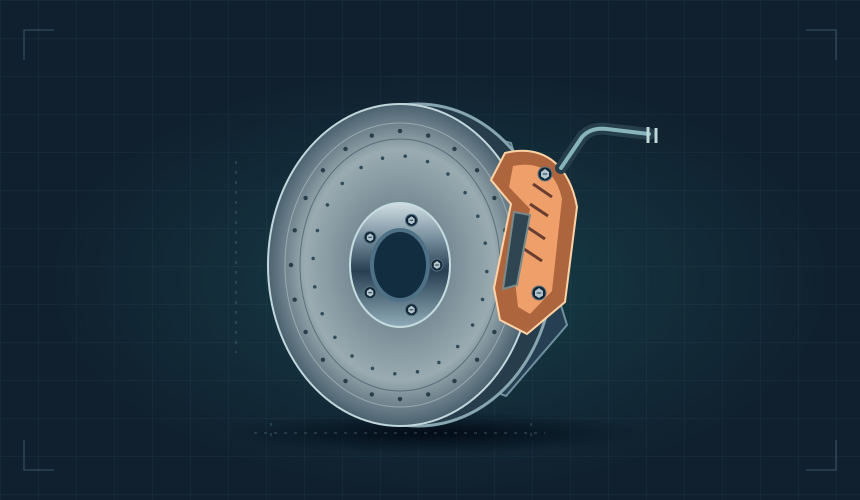 ↗
Parking brake stuck
Do not force the car to move or bypass its release interlocks. Compare the warning, electrical supply and evidence of mechanical sticking.
↗ Automatic transmission shifts hard
Describe which shifts feel harsh and whether there is delay or slipping. The transmission design and fluid procedure must be confirmed for your model.