 CarFault
Air, fuel & exhaust
Explore symptoms, compare the signs and choose a safe next step.
Diagnostic tools
Matching tools 15
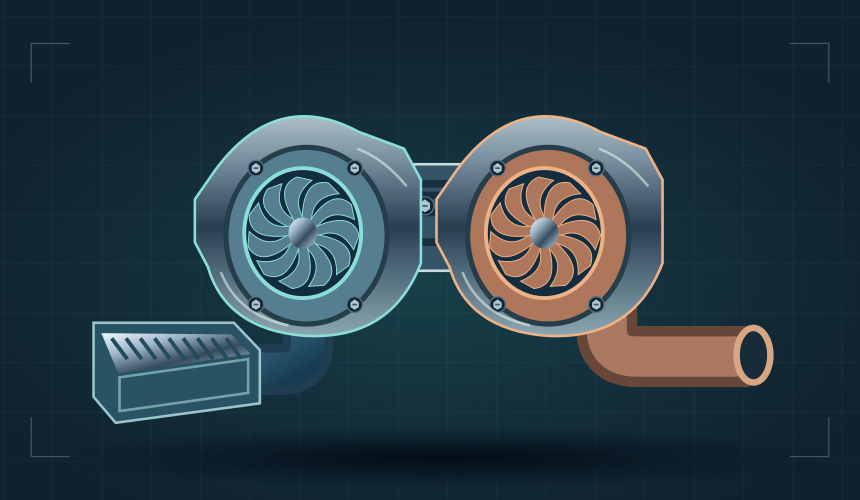
Turbo whistling
A new turbo-area whistle does not prove turbo failure. Compare air leakage, load and changes from the vehicle’s usual sound.
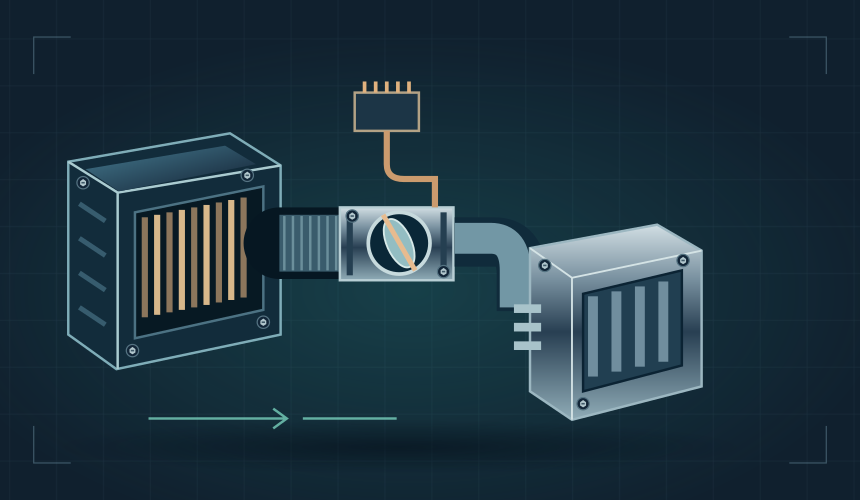
Hissing under the hood
Distinguish an intake air hiss from boost leakage and a cooling-system release. Steam or overheating takes priority over troubleshooting.
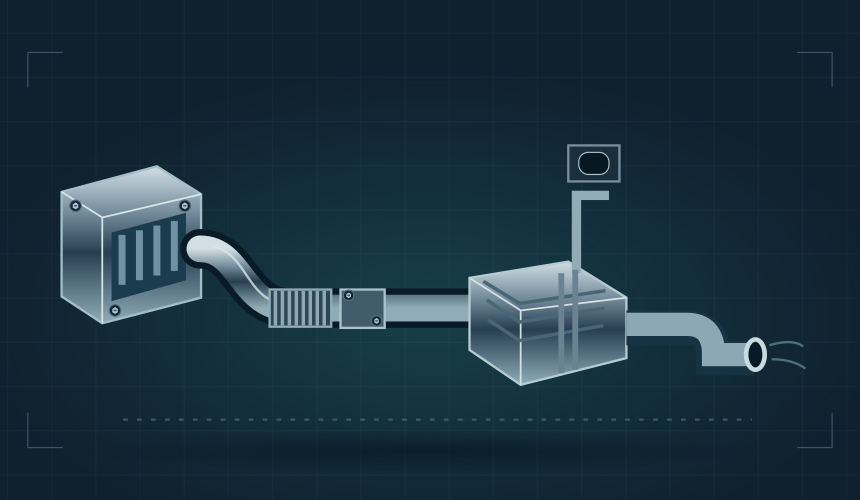
Black exhaust smoke
Dark exhaust suggests incomplete combustion or soot, but the cause depends on the engine and emissions system. Compare load, air supply and fuel symptoms.
Blue exhaust smoke
Blue-looking smoke with measurable oil loss needs investigation. Ventilation, internal wear and turbo oil paths require confirmation.
Persistent white exhaust smoke
Separate cold water vapor from smoke that remains after warm-up. Coolant loss and rough combustion change the inspection priorities.
Exhaust smell in the cabin
Exhaust fumes in the cabin require stopping use. After the hazard is addressed, record the prior conditions for a workshop inspection.
Gasoline smell
Persistent petrol odor may indicate a dangerous leak even without a puddle. Do not restart the vehicle to locate it.
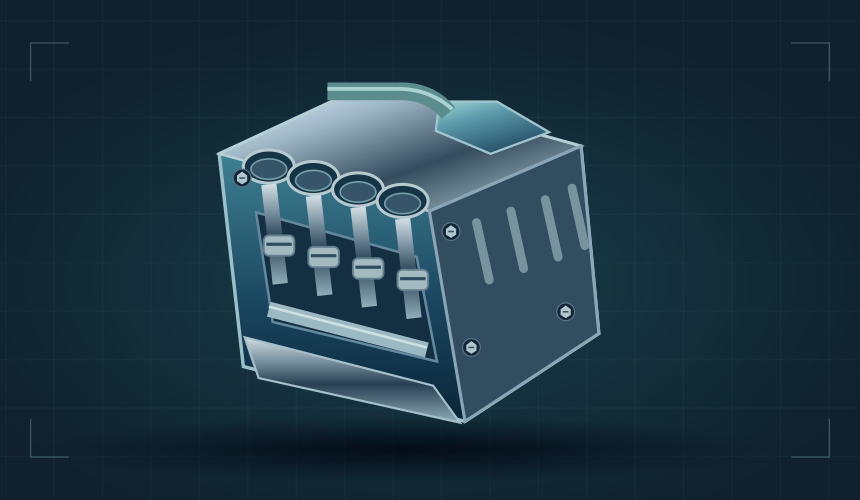
Diesel fuel smell
Diesel odor can come from spillage, supply lines or injector-area leakage. Avoid contact and have persistent odor assessed before use.
Fuel leak
Treat suspected fuel leakage as a stop-use situation. Record only observations already made; do not open lines or energize a pump to investigate.

Unusual fuel pump noise
A pump-area hum alone does not measure fuel pressure. Distinguish a changed sound with running faults from vibration or low-fuel conditions.
Engine hesitates under load
Hesitation under load can reflect interrupted fuel delivery, poor combustion or lost boost. Use existing observations rather than hard acceleration tests.
Turbo not producing expected boost
Reduced boost may originate in pipework, control or a restriction elsewhere in the engine system. It does not automatically require a new turbo.
Diesel particulate filter warning
Record the exact warning and distinguish filter loading from the faults that prevent cleaning. Never use a universal forced-regeneration recipe.
Inaccurate fuel gauge
A gauge problem is different from actual fuel loss. Compare filling records and warning behavior without deliberately running the tank empty.
Exhaust system rattle
Compare a loose shield or hanger with an actual exhaust leak and contact caused by excessive powertrain movement.