 CarFault
EV not charging .
For EVs and plug-in hybrids only. Compare charge settings, the external station and vehicle alerts without forcing plugs or opening high-voltage parts.
This is symptom guidance, not a confirmed diagnosis. Inspection and vehicle-specific tests are needed before replacing parts.
Let’s follow the clues.
A few observations help separate the possibilities. Start with safety, then explore the symptoms you already know.
At your pace · no tools required
Understand the possibilities
Charge schedule, limit or connection state
+
A configured schedule, reached charge target or incomplete connection can delay charging without proving a vehicle failure.
A connected-but-waiting status differs from an explicit fault; exact colors and messages vary by model.
After confirmation
Check permitted charge settings and the manual’s connection instructions without forcing the plug.
Charging equipment or external supply
+
Supply disturbances, grounding or charging-equipment faults can prevent charging. A repeated equipment fault needs an electrician or charge-point operator.
Failure at one known location but normal charging elsewhere supports checking that installation, without using damaged equipment for comparison.
After confirmation
Read equipment alerts and have the supply/charger inspected; never bypass protection or use extension/adaptor improvisations.
High-voltage or traction-system fault
+
Battery, isolation, thermal-management or control faults can limit propulsion or charging. An online tool cannot identify the affected high-voltage part.
A persistent vehicle-side alert across compatible charging locations needs specialist diagnostics; dangerous signs override ordinary checks.
After confirmation
Follow the exact vehicle alert and arrange high-voltage-qualified service or recovery. Never dismantle orange-cable components.
Urgent signs
Is there a high-voltage stop warning, smoke, a burning smell, damaged orange cables or a hot/damaged charging connector?
Stop driving as soon as you can safely do so. Switch the vehicle off and obtain professional roadside assistance. Do not restart to investigate.
Checks you can make safely
Read the exact vehicle and charger alerts from a safe position. Never touch orange cables, open high-voltage parts, force a connector or use damaged charging equipment.
Leave these to a professional
Do not reach into a running engine bay, work under an unsupported vehicle, bypass safety systems or open fuel, high-voltage or refrigerant circuits.
When to get help
Arrange professional inspection. Share the conditions, warning messages and your answers; ask the workshop to confirm the cause before repair.
This is symptom guidance, not a confirmed diagnosis. Inspection and vehicle-specific tests are needed before replacing parts.
A little more clarity
Can this confirm the failed part? +
This is symptom guidance, not a confirmed diagnosis. Inspection and vehicle-specific tests are needed before replacing parts.
Technical references
Sources explain general principles. Exact procedures and equipment depend on your vehicle. Editorial synthesis; no independent mechanic sign-off claimed.
Follow a related clue
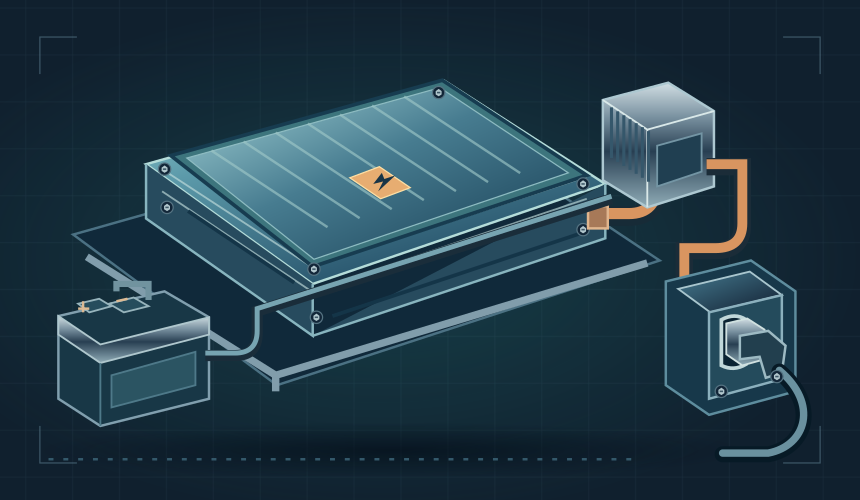 ↗
Hybrid system warning
Record the exact hybrid warning. A message requesting a stop or evidence of high-voltage damage takes priority over all ordinary checks.
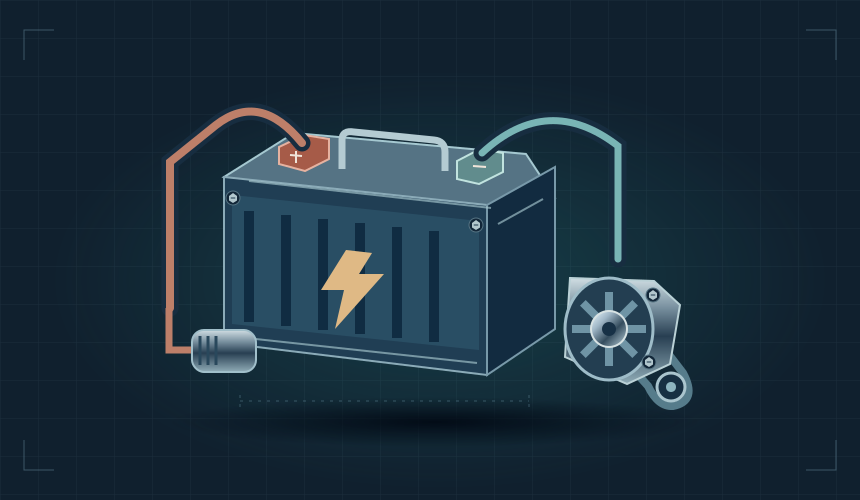 ↗
Battery keeps going flat
Separate a battery that cannot hold charge from insufficient charging or an electrical load during parking.
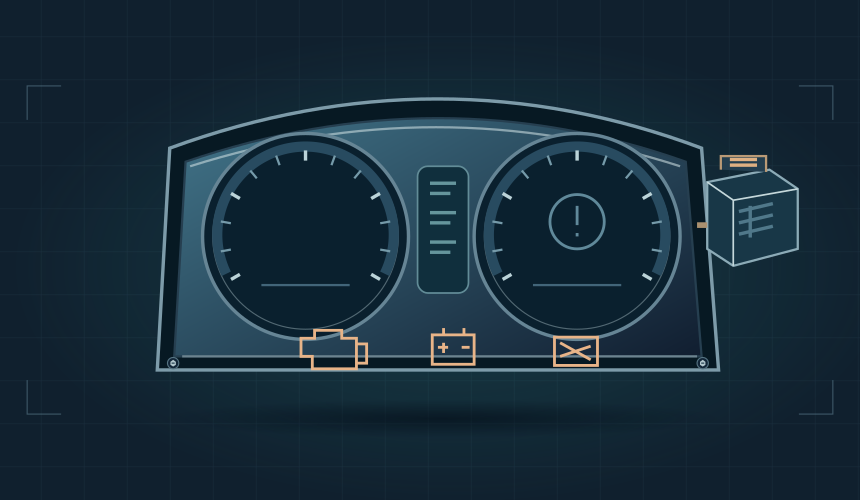 ↗
Unfamiliar dashboard warnings
The exact symbol, color, text and operating state matter. A red stop message, loss of braking or control, overheating or oil pressure needs immediate safe action.