 CarFault
Diesel particulate filter warning .
Record the exact warning and distinguish filter loading from the faults that prevent cleaning. Never use a universal forced-regeneration recipe.
This is symptom guidance, not a confirmed diagnosis. Inspection and vehicle-specific tests are needed before replacing parts.
Let’s follow the clues.
A few observations help separate the possibilities. Start with safety, then explore the symptoms you already know.
At your pace · no tools required
Understand the possibilities
Particulate filter loading or interrupted regeneration
+
Frequent short trips can interrupt cleaning on some diesel systems. A warning can also reflect a control or sensor fault.
The exact text and presence of reduced power determine whether the manual permits regeneration or requires service.
After confirmation
Read soot/load data and fault memory; follow the exact manual, never a universal high-speed or stationary regeneration recipe.
Air metering, throttle or EGR control
+
Incorrect air measurement or actuator operation may disturb idle, response and emissions. A code alone is not a failed-part verdict.
Rough idle, hesitation and an engine lamp support comparing actual and commanded readings and checking for intake leaks.
After confirmation
Verify air-path sealing, power supplies and live sensor/actuator data before cleaning or replacing components.
Temperature sensor or indication
+
An incorrect temperature signal can affect the gauge, fan strategy and engine-management behavior.
A display inconsistent with a cold start or available diagnostic readings warrants a plausibility and circuit check.
After confirmation
Compare actual temperature, live values, wiring and sensor behavior using the model procedure.
Urgent signs
Is there a visible fuel leak, a strong persistent fuel or exhaust smell, smoke or fire?
Stop driving as soon as you can safely do so. Switch the vehicle off and obtain professional roadside assistance. Do not restart to investigate.
Checks you can make safely
Park safely, switch the vehicle fully off and consult its owner manual before any visual observation. Keep clear of moving or hot components.
Leave these to a professional
Do not reach into a running engine bay, work under an unsupported vehicle, bypass safety systems or open fuel, high-voltage or refrigerant circuits.
When to get help
Arrange professional inspection. Share the conditions, warning messages and your answers; ask the workshop to confirm the cause before repair.
This is symptom guidance, not a confirmed diagnosis. Inspection and vehicle-specific tests are needed before replacing parts.
A little more clarity
Can this confirm the failed part? +
This is symptom guidance, not a confirmed diagnosis. Inspection and vehicle-specific tests are needed before replacing parts.
Technical references
Sources explain general principles. Exact procedures and equipment depend on your vehicle. Editorial synthesis; no independent mechanic sign-off claimed.
Follow a related clue
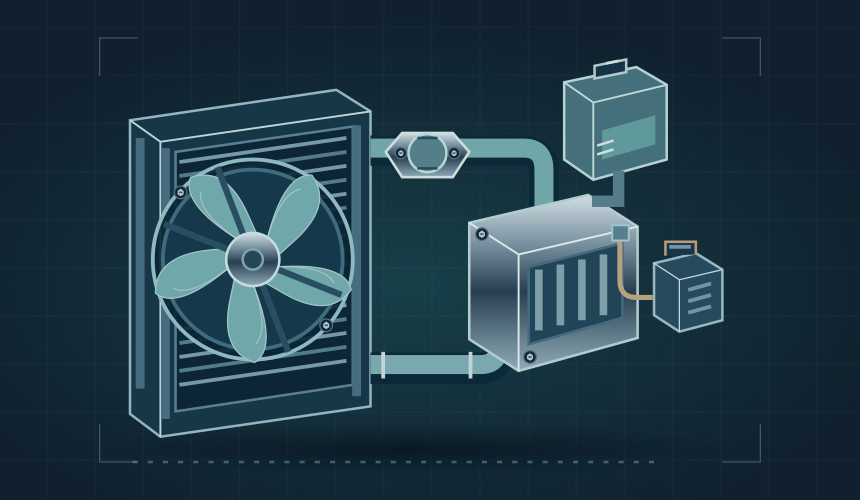 ↗
Engine does not warm up
A persistently low indication and weak heat may reflect thermostat operation or measurement and control faults. Warm-up varies with conditions.
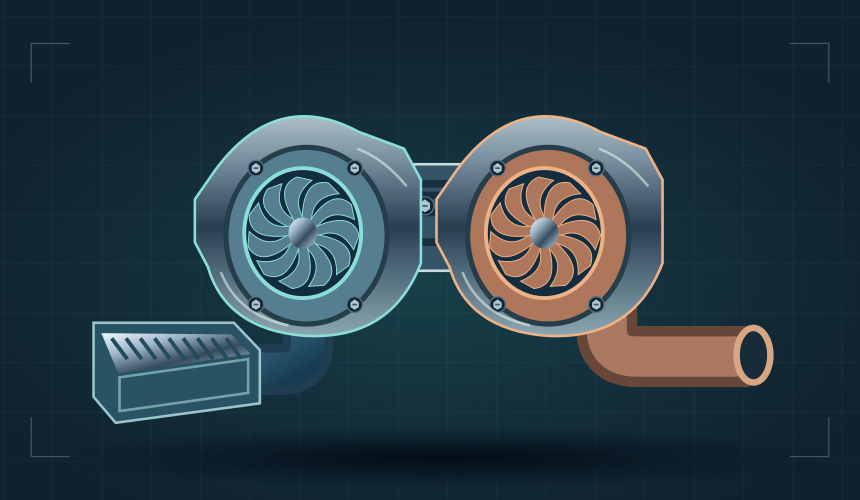 ↗
Loss of engine power
Separate an air-path or boost problem from interrupted fuel delivery and poor combustion. Reduced-power mode is a symptom, not a named failed part.
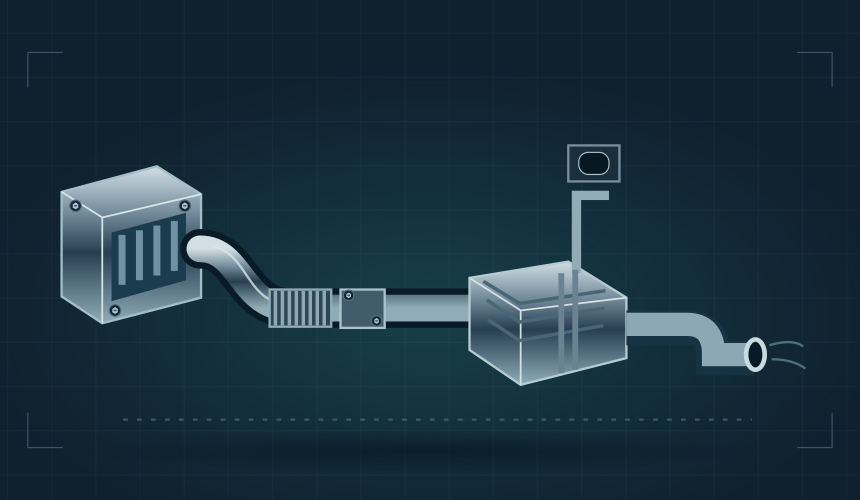 ↗
Black exhaust smoke
Dark exhaust suggests incomplete combustion or soot, but the cause depends on the engine and emissions system. Compare load, air supply and fuel symptoms.