 CarFault
Cooling fan not running .
A stationary fan is not always a fault. If temperature rises, stop safely and have fan demand, electrical supply and sensing checked.
This is symptom guidance, not a confirmed diagnosis. Inspection and vehicle-specific tests are needed before replacing parts.
Let’s follow the clues.
A few observations help separate the possibilities. Start with safety, then explore the symptoms you already know.
At your pace · no tools required
Understand the possibilities
Cooling fan power or control
+
Fan behavior depends on temperature, A/C demand and control strategy. A sensor or circuit fault can leave it on or prevent operation.
Running after shutdown can be normal on some vehicles; failure must be assessed against temperature and commanded operation.
After confirmation
A workshop checks command, power, fuses and motor operation while keeping clear of automatic fan movement.
Temperature sensor or indication
+
An incorrect temperature signal can affect the gauge, fan strategy and engine-management behavior.
A display inconsistent with a cold start or available diagnostic readings warrants a plausibility and circuit check.
After confirmation
Compare actual temperature, live values, wiring and sensor behavior using the model procedure.
Fan demand or normal after-run
+
A/C demand and thermal after-run can operate a fan without an engine fault. The permitted behavior is model-specific.
A brief after-run or a fan operating with A/C differs from continuous operation after every fully cold start.
After confirmation
Compare behavior with the manual and actual command/temperature data; repair only a confirmed control or motor fault.
Urgent signs
Is there overheating, steam, rapid coolant loss or an oil-pressure warning while the engine runs?
Stop driving as soon as you can safely do so. Switch the vehicle off and obtain professional roadside assistance. Do not restart to investigate.
Checks you can make safely
Only look at the reservoir level when the engine is fully cold and the manual permits it. Never open a hot pressurized cooling system; electric fans may start unexpectedly.
Leave these to a professional
Do not reach into a running engine bay, work under an unsupported vehicle, bypass safety systems or open fuel, high-voltage or refrigerant circuits.
When to get help
Arrange professional inspection. Share the conditions, warning messages and your answers; ask the workshop to confirm the cause before repair.
This is symptom guidance, not a confirmed diagnosis. Inspection and vehicle-specific tests are needed before replacing parts.
A little more clarity
Can this confirm the failed part? +
This is symptom guidance, not a confirmed diagnosis. Inspection and vehicle-specific tests are needed before replacing parts.
Technical references
Sources explain general principles. Exact procedures and equipment depend on your vehicle. Editorial synthesis; no independent mechanic sign-off claimed.
Follow a related clue
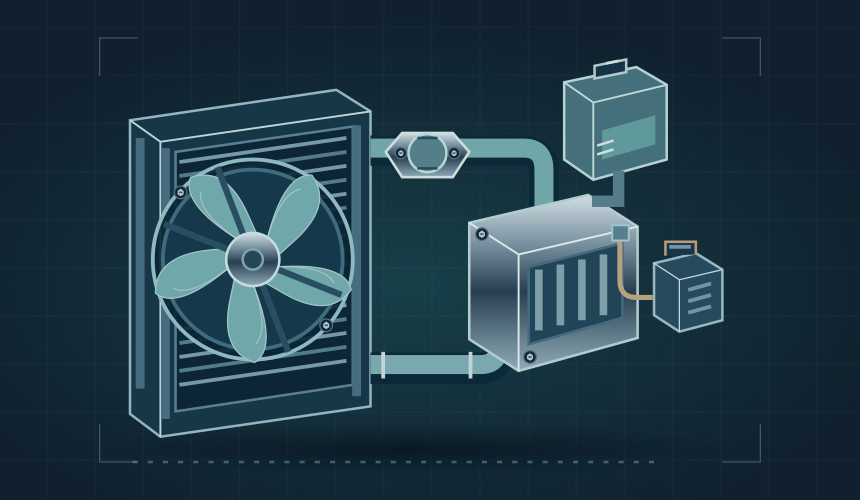 ↗
Engine overheating
A hot engine needs a safe stop before troubleshooting. Once it has fully cooled, the circumstances help narrow the cooling-system checks.
↗ Cooling fan always running
Fan after-run and A/C demand can be normal. Continuous operation from a fully cold start requires comparison with temperature and control data.
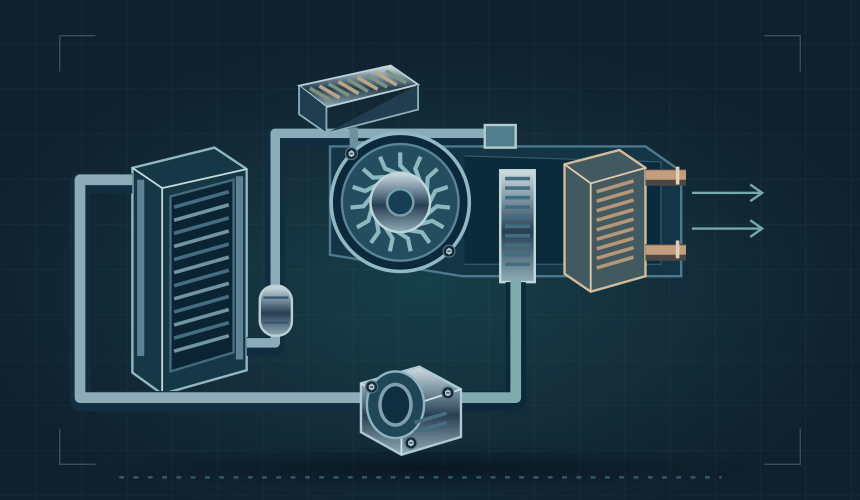 ↗
A/C isn’t cooling
Start with airflow and the pattern of cooling loss. Refrigerant leaks, air distribution and compressor control can feel similar.