 CarFault
Coolant leak .
Repeated cold-level loss needs a source, not just repeated top-ups. Distinguish external leakage, heater leakage and internal loss.
This is symptom guidance, not a confirmed diagnosis. Inspection and vehicle-specific tests are needed before replacing parts.
Let’s follow the clues.
A few observations help separate the possibilities. Start with safety, then explore the symptoms you already know.
At your pace · no tools required
Understand the possibilities
Coolant loss or leakage
+
A low cold reservoir level or repeated visible loss points to a leak that may be external or internal.
Puddles, dried residue and repeated level loss distinguish this from a fan-only fault; clear A/C water is not coolant.
After confirmation
A workshop pressure-tests the cool system and repairs the confirmed leak; investigate internal loss if none is visible.
Heater core or cabin coolant connection
+
A sweet coolant-like smell with damp carpet or oily window film can warrant checking the heater circuit.
Coolant loss with cabin dampness differs from ordinary clear A/C drainage or rainwater.
After confirmation
Pressure-test the cold system and inspect heater connections professionally before repairing the confirmed leak.
Internal coolant leakage or fluid mixing
+
Persistent coolant loss with warm-engine white exhaust or contaminated oil warrants checking internal leakage. It does not by itself prove a head gasket failure.
A falling cold level, emulsion on the dipstick and repeated overheating matter more than a small deposit only under the cap.
After confirmation
Do not run with suspected contaminated oil; professionally test fluid contamination and the relevant heat exchanger or engine sealing.
Urgent signs
Is there overheating, steam, rapid coolant loss or an oil-pressure warning while the engine runs?
Stop driving as soon as you can safely do so. Switch the vehicle off and obtain professional roadside assistance. Do not restart to investigate.
Checks you can make safely
Only look at the reservoir level when the engine is fully cold and the manual permits it. Never open a hot pressurized cooling system; electric fans may start unexpectedly.
Leave these to a professional
Do not reach into a running engine bay, work under an unsupported vehicle, bypass safety systems or open fuel, high-voltage or refrigerant circuits.
When to get help
Arrange professional inspection. Share the conditions, warning messages and your answers; ask the workshop to confirm the cause before repair.
This is symptom guidance, not a confirmed diagnosis. Inspection and vehicle-specific tests are needed before replacing parts.
A little more clarity
Can this confirm the failed part? +
This is symptom guidance, not a confirmed diagnosis. Inspection and vehicle-specific tests are needed before replacing parts.
Technical references
Sources explain general principles. Exact procedures and equipment depend on your vehicle. Editorial synthesis; no independent mechanic sign-off claimed.
Follow a related clue
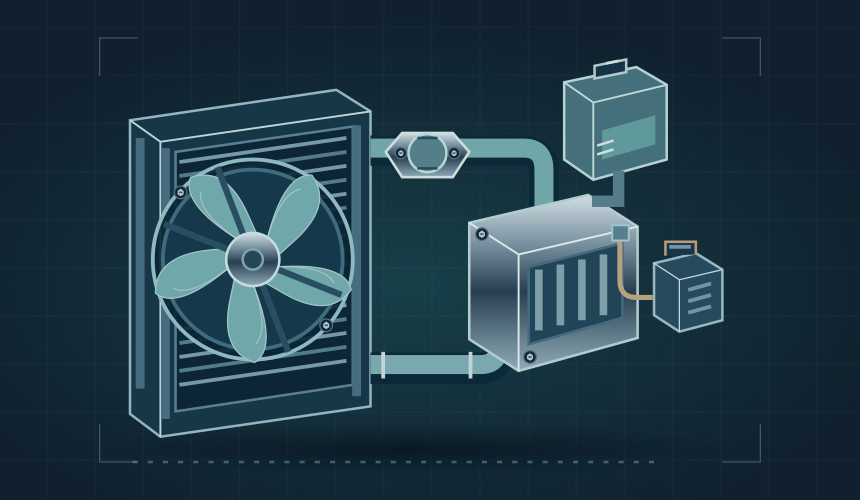 ↗
Engine overheating
A hot engine needs a safe stop before troubleshooting. Once it has fully cooled, the circumstances help narrow the cooling-system checks.
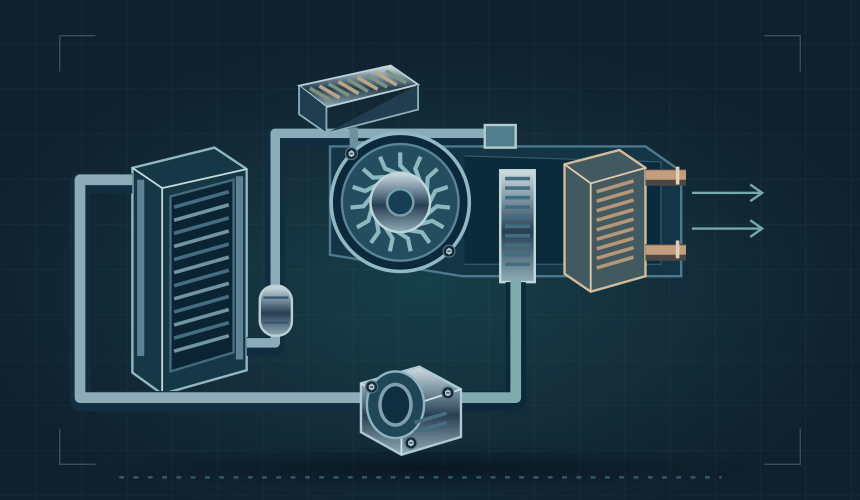 ↗
Coolant smell in the cabin
Compare heater-circuit leakage with an engine-bay leak drawn through ventilation and unrelated cabin odors. Unsafe visibility takes priority.
↗ Suspected coolant in oil
Fluid mixing must be confirmed professionally. Engine sealing and a coolant/oil heat exchanger are different possible paths; cap residue alone is not proof.