 CarFault
Engine & starting
Explore symptoms, compare the signs and choose a safe next step.
Diagnostic tools
Matching tools 20
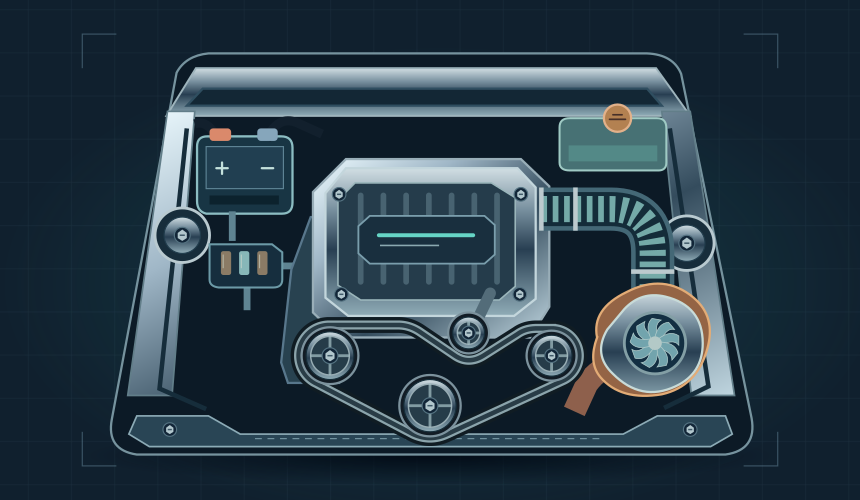
Whistling under the hood
Separate a belt squeal from an air leak. Tell us when the sound appears, explore the engine bay and compare the signs.
Engine won’t start
First find out whether the engine turns. A no-crank problem and a cranking no-start need different checks.
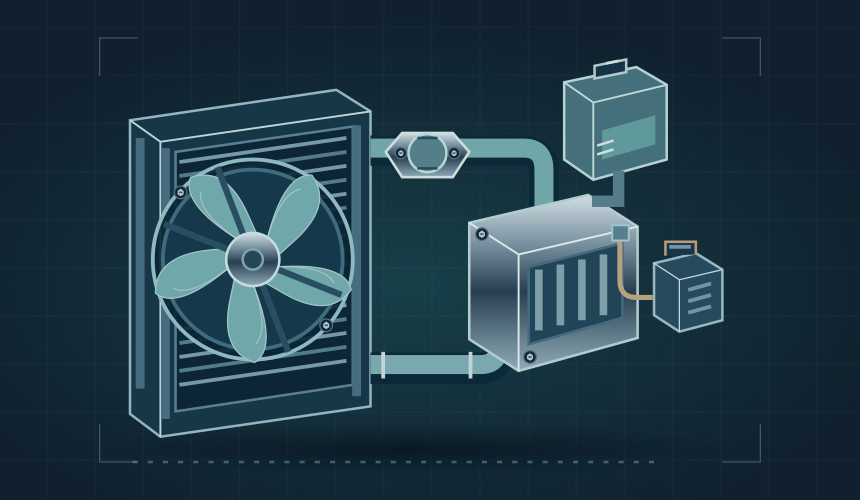
Engine overheating
A hot engine needs a safe stop before troubleshooting. Once it has fully cooled, the circumstances help narrow the cooling-system checks.
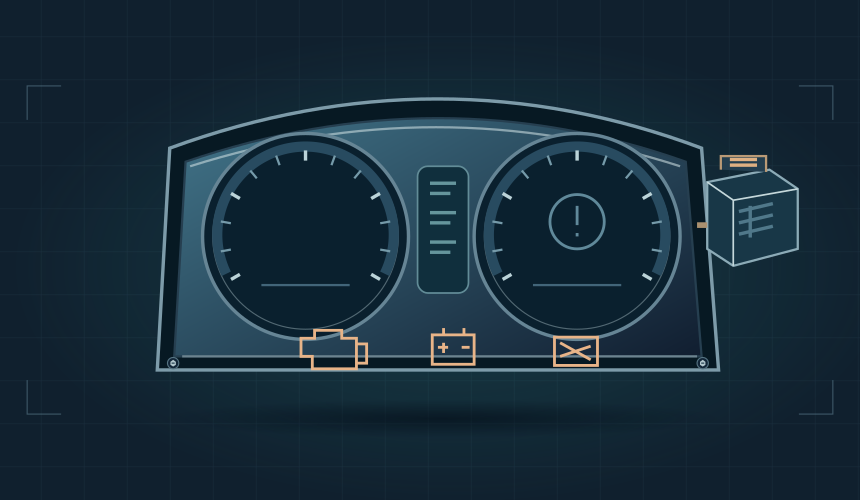
Check engine light
The lamp reports a detected engine or emissions fault. Its behavior and the way the engine runs determine the next step.
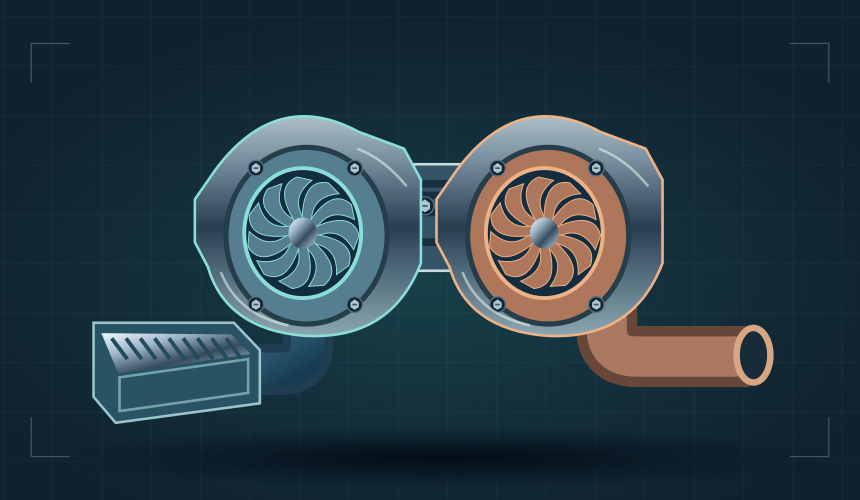
Loss of engine power
Separate an air-path or boost problem from interrupted fuel delivery and poor combustion. Reduced-power mode is a symptom, not a named failed part.
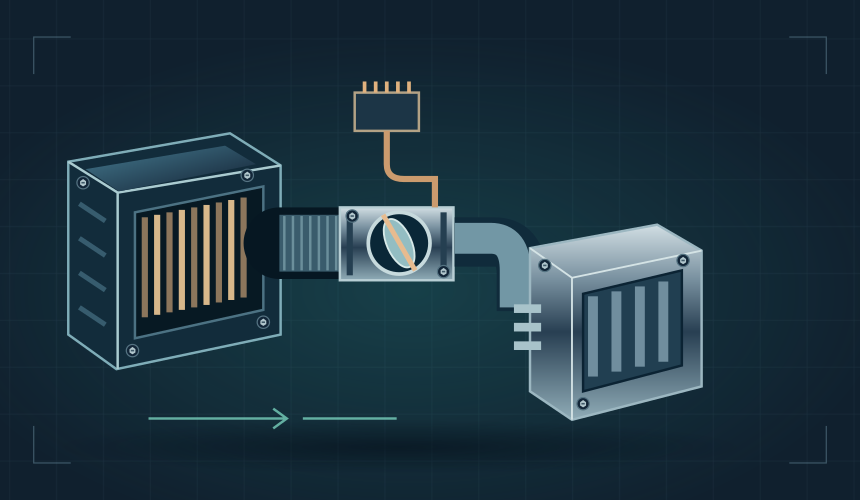
Delayed throttle response
Compare delayed engine response with engine revs rising while road speed does not. Throttle control and transmission response are different systems.
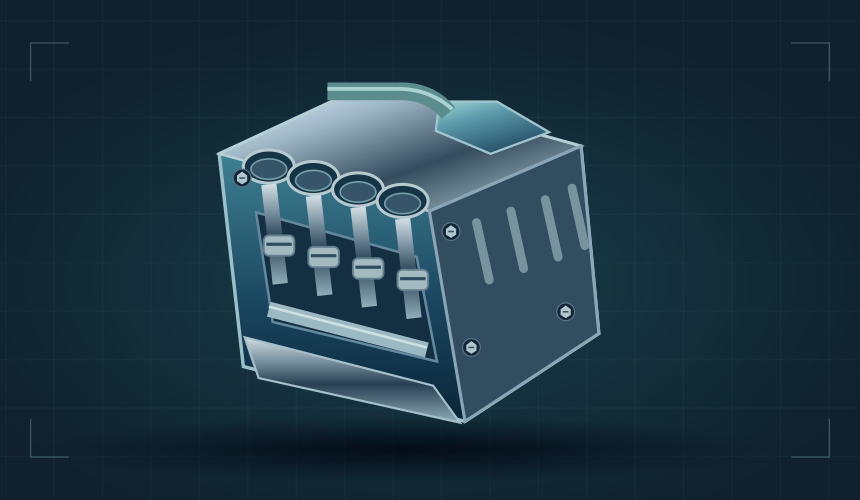
Excessive fuel consumption
First compare similar journeys and measurement methods, then consider rolling resistance, engine temperature and mixture control.
Engine does not warm up
A persistently low indication and weak heat may reflect thermostat operation or measurement and control faults. Warm-up varies with conditions.
Engine knocking
A new deep knock must be treated cautiously. Lubrication, internal mechanics and external mounts need different professional checks.
Engine ticking
Distinguish a brief light tick from persistent metallic noise and from accessory-drive sounds. Text cannot confirm valvetrain wear.
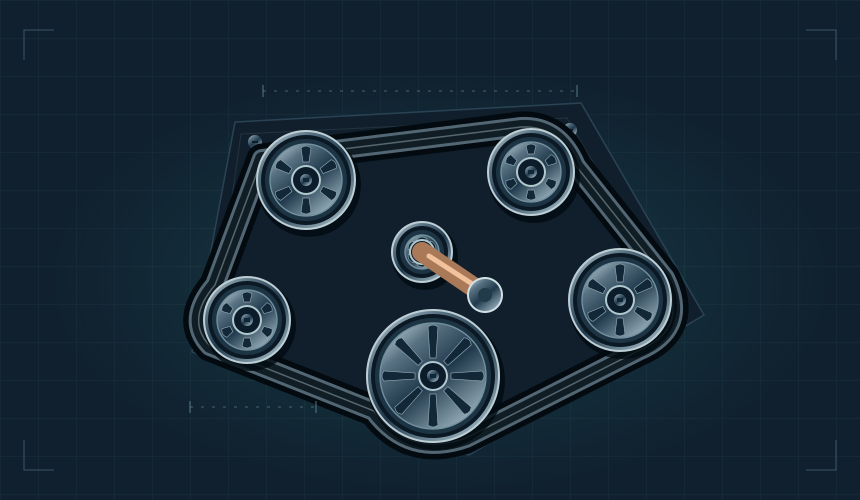
Accessory belt squeal
A sharp squeal can come from belt traction, tension or a loaded accessory. Keep hands and objects away from the entire drive.
Engine shaking strongly
Separate uneven combustion from vibration transmitted by mounts or an accessory drive. A flashing engine lamp with shaking means stop safely.
Starter does not crank
No rotation, clicks or a single clunk? Compare available electrical power with start authorization before blaming the starter.
Engine cranks but won’t start
Normal-speed cranking points toward combustion and control checks rather than a completely inactive starter.
Hard starting when cold
Cold cranking speed, first combustion and fuel/preheat operation help separate a weak electrical start from cold-engine running faults.
Hard starting when hot
A warm-only restart problem needs a distinction between slow cranking and normal cranking with missing combustion.
Rough or unstable idle
Watch the pattern of idle fluctuation and accompanying warnings. Air leaks, combustion faults and air control can feel similar.
Engine stalls at idle
A stall when stopped differs from a cutout at road speed. Compare idle stability, added loads and whether the engine restarts.
Engine stalls while driving
An unexpected cutout can reduce assistance and leave you exposed to traffic. Assess safety before comparing the conditions recorded before stopping.
Engine misfires
Uneven combustion can originate in petrol ignition, fuel delivery or air control. A flashing lamp with shaking needs an immediate safe stop.