 CarFault
Clutch pedal does not return .
A pedal remaining down can involve hydraulic leakage, release actuation or a pedal/selector obstruction. Do not continue driving with unreliable disengagement.
This is symptom guidance, not a confirmed diagnosis. Inspection and vehicle-specific tests are needed before replacing parts.
Let’s follow the clues.
A few observations help separate the possibilities. Start with safety, then explore the symptoms you already know.
At your pace · no tools required
Understand the possibilities
Clutch release or hydraulic actuation
+
A release bearing, cable, hydraulic cylinder or pedal mechanism fault can prevent full disengagement or pedal return.
Gears easier to select with the engine off or a changed pedal feel support checking the release system.
After confirmation
Inspect actuation, leakage, adjustment and release travel using the vehicle-specific procedure.
Selector linkage or shift control
+
A linkage, cable, interlock or selector/control fault can prevent the intended gear from being selected.
A mismatch between lever position and indicated gear differs from engine revs rising after a gear engages.
After confirmation
Verify selector operation and actual gear engagement with scan data and mechanical inspection.
Clutch friction loss or contamination
+
Worn or contaminated friction surfaces or inadequate clamping can let engine speed rise without matching drive.
Slip under ordinary load differs from difficulty disengaging or selecting a gear. Do not perform stall or high-gear abuse tests.
After confirmation
Check friction wear, contamination, release freedom and correct fitment before selecting clutch repairs.
Urgent signs
Has steering or braking become unreliable, has propulsion stopped in traffic, or is there severe wheel/tire damage, smoke or an urgent stop message?
Stop driving as soon as you can safely do so. Switch the vehicle off and obtain professional roadside assistance. Do not restart to investigate.
Checks you can make safely
Park safely, switch the vehicle fully off and consult its owner manual before any visual observation. Keep clear of moving or hot components.
Leave these to a professional
Do not reach into a running engine bay, work under an unsupported vehicle, bypass safety systems or open fuel, high-voltage or refrigerant circuits.
When to get help
Arrange professional inspection. Share the conditions, warning messages and your answers; ask the workshop to confirm the cause before repair.
This is symptom guidance, not a confirmed diagnosis. Inspection and vehicle-specific tests are needed before replacing parts.
A little more clarity
Can this confirm the failed part? +
This is symptom guidance, not a confirmed diagnosis. Inspection and vehicle-specific tests are needed before replacing parts.
Technical references
Sources explain general principles. Exact procedures and equipment depend on your vehicle. Editorial synthesis; no independent mechanic sign-off claimed.
Follow a related clue
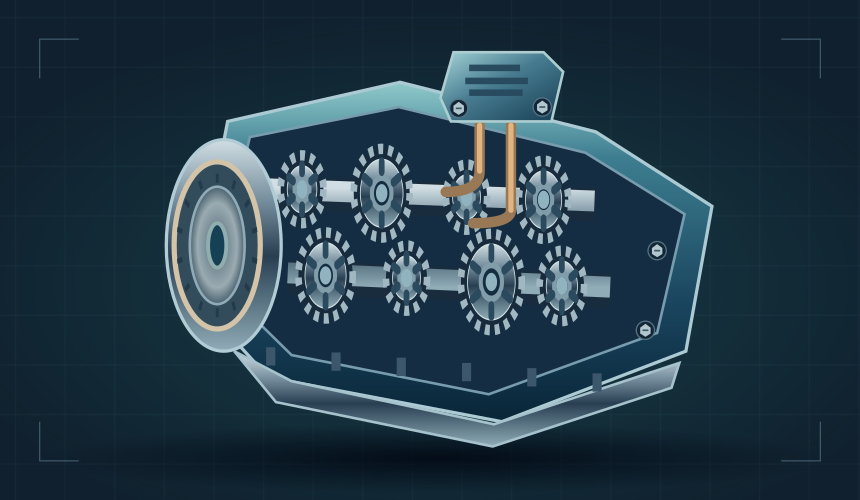 ↗
Manual gears hard to engage
Compare selection with the engine off against difficulty while running. Clutch disengagement, linkage and gearbox condition need different checks.
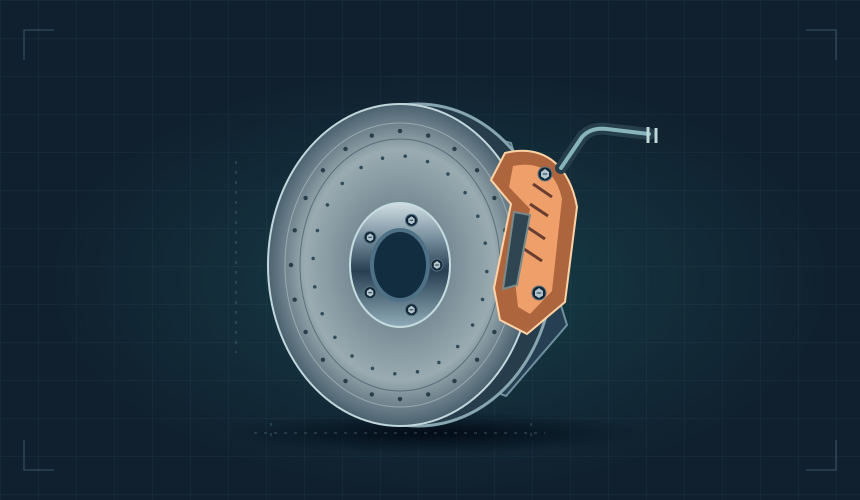 ↗
Suspected brake fluid leak
Suspected brake-fluid leakage is a stop-use condition. A low reservoir can also accompany pad wear, but that must not be used to dismiss visible leakage.
↗ Clutch slipping
A clutch can slip through wear, contamination or release-system faults. Do not use a stall test or high-load acceleration to prove it.