 CarFault
Fuel leak .
Treat suspected fuel leakage as a stop-use situation. Record only observations already made; do not open lines or energize a pump to investigate.
This is symptom guidance, not a confirmed diagnosis. Inspection and vehicle-specific tests are needed before replacing parts.
Let’s follow the clues.
A few observations help separate the possibilities. Start with safety, then explore the symptoms you already know.
At your pace · no tools required
Understand the possibilities
Fuel line, seal or injector leak
+
Fuel escaping from a line, joint or component is a fire hazard. A visible leak or persistent strong smell requires stopping use.
Wet fuel residue after parking differs from a gauge-only issue; do not touch, taste or deliberately sniff liquids.
After confirmation
Keep the vehicle off and have a professional locate and repair the leak before any restart.
Residual fuel after filling or service
+
Spilled fuel or service residue may smell, but an active leak must be excluded before the vehicle is used again.
A smell confined to an immediately preceding spill differs from recurring wetness or a smell that returns.
After confirmation
Have contamination and leakage assessed safely; never try to identify fuel by ignition, taste or skin contact.
Filler sealing or fuel-vapor system
+
On petrol vehicles, filler sealing or vapor-control faults may cause odor without an obvious puddle. Lack of a puddle does not establish safety.
An association with refueling helps locate the inspection area; persistent strong odor still means stop use.
After confirmation
Professionally check filler/vent sealing and the vehicle-specific vapor system, and repair a confirmed leak.
Urgent signs
Is there a visible fuel leak, a strong persistent fuel or exhaust smell, smoke or fire?
Stop driving as soon as you can safely do so. Switch the vehicle off and obtain professional roadside assistance. Do not restart to investigate.
Checks you can make safely
Park safely, switch the vehicle fully off and consult its owner manual before any visual observation. Keep clear of moving or hot components.
Leave these to a professional
Do not reach into a running engine bay, work under an unsupported vehicle, bypass safety systems or open fuel, high-voltage or refrigerant circuits.
When to get help
Arrange professional inspection. Share the conditions, warning messages and your answers; ask the workshop to confirm the cause before repair.
This is symptom guidance, not a confirmed diagnosis. Inspection and vehicle-specific tests are needed before replacing parts.
A little more clarity
Can this confirm the failed part? +
This is symptom guidance, not a confirmed diagnosis. Inspection and vehicle-specific tests are needed before replacing parts.
Technical references
Sources explain general principles. Exact procedures and equipment depend on your vehicle. Editorial synthesis; no independent mechanic sign-off claimed.
Follow a related clue
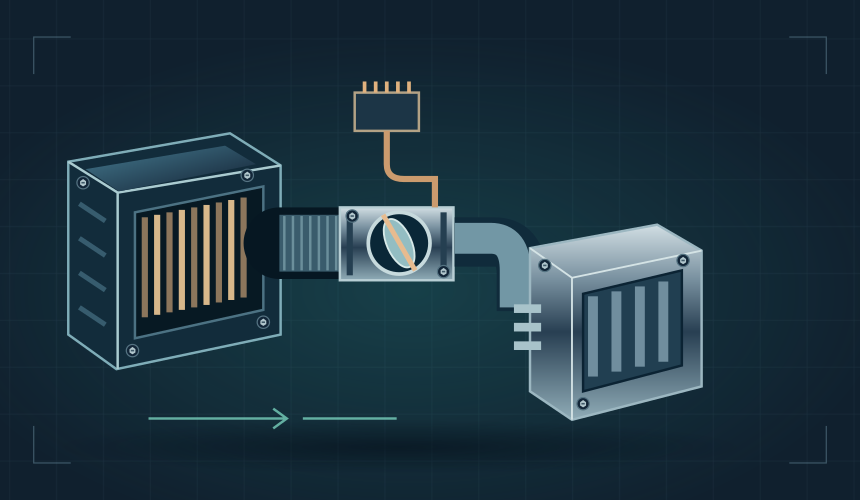 ↗
Gasoline smell
Persistent petrol odor may indicate a dangerous leak even without a puddle. Do not restart the vehicle to locate it.
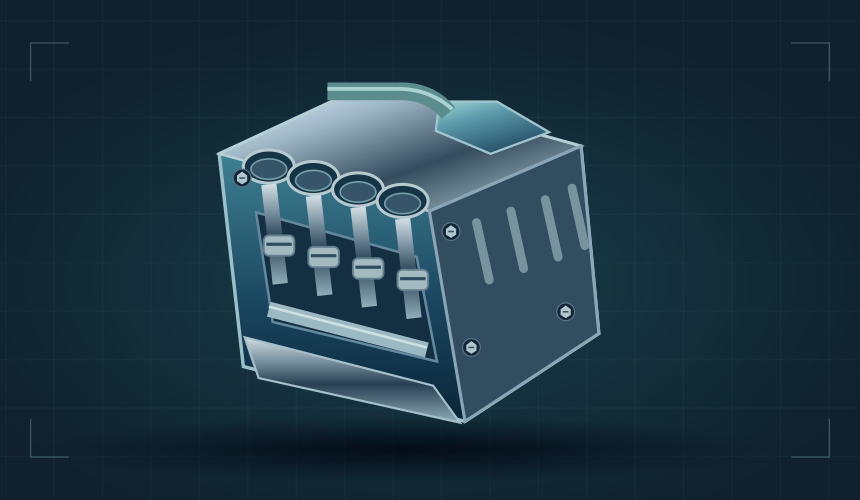 ↗
Diesel fuel smell
Diesel odor can come from spillage, supply lines or injector-area leakage. Avoid contact and have persistent odor assessed before use.
 ↗
Unusual fuel pump noise
A pump-area hum alone does not measure fuel pressure. Distinguish a changed sound with running faults from vibration or low-fuel conditions.