 CarFault
Hissing under the hood .
Distinguish an intake air hiss from boost leakage and a cooling-system release. Steam or overheating takes priority over troubleshooting.
This is symptom guidance, not a confirmed diagnosis. Inspection and vehicle-specific tests are needed before replacing parts.
Let’s follow the clues.
A few observations help separate the possibilities. Start with safety, then explore the symptoms you already know.
At your pace · no tools required
Understand the possibilities
Intake air leak
+
Air escaping or entering a joint can whistle; on petrol engines unmetered intake air may disturb idle.
An airy hiss with rough idle differs from a sharp belt squeal. A workshop leak test is needed.
After confirmation
Repair the verified hose, joint or ventilation fault, then check mixture and fault data.
Boost pipe or turbo system
+
A new whistle under load with reduced power can fit an air-path leak or boost-control fault; it does not prove turbo damage.
Look for a change from the usual turbo sound and report smoke and power loss. Compare requested and measured boost in a workshop.
After confirmation
Confirm leak, control or lubrication faults before deciding whether turbo replacement is needed.
Coolant loss or leakage
+
A low cold reservoir level or repeated visible loss points to a leak that may be external or internal.
Puddles, dried residue and repeated level loss distinguish this from a fan-only fault; clear A/C water is not coolant.
After confirmation
A workshop pressure-tests the cool system and repairs the confirmed leak; investigate internal loss if none is visible.
Urgent signs
Is there a visible fuel leak, a strong persistent fuel or exhaust smell, smoke or fire?
Stop driving as soon as you can safely do so. Switch the vehicle off and obtain professional roadside assistance. Do not restart to investigate.
Checks you can make safely
Park safely, switch the vehicle fully off and consult its owner manual before any visual observation. Keep clear of moving or hot components.
Leave these to a professional
Do not reach into a running engine bay, work under an unsupported vehicle, bypass safety systems or open fuel, high-voltage or refrigerant circuits.
When to get help
Arrange professional inspection. Share the conditions, warning messages and your answers; ask the workshop to confirm the cause before repair.
This is symptom guidance, not a confirmed diagnosis. Inspection and vehicle-specific tests are needed before replacing parts.
A little more clarity
Can this confirm the failed part? +
This is symptom guidance, not a confirmed diagnosis. Inspection and vehicle-specific tests are needed before replacing parts.
Technical references
Sources explain general principles. Exact procedures and equipment depend on your vehicle. Editorial synthesis; no independent mechanic sign-off claimed.
Follow a related clue
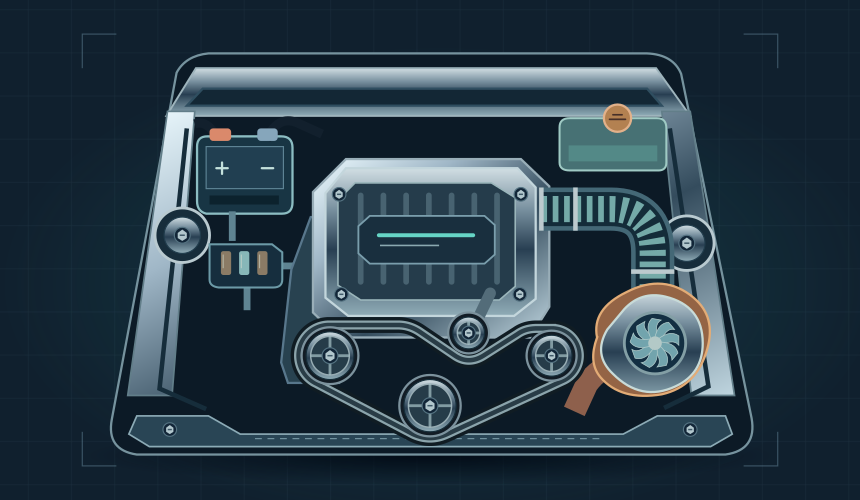 ↗
Whistling under the hood
Separate a belt squeal from an air leak. Tell us when the sound appears, explore the engine bay and compare the signs.
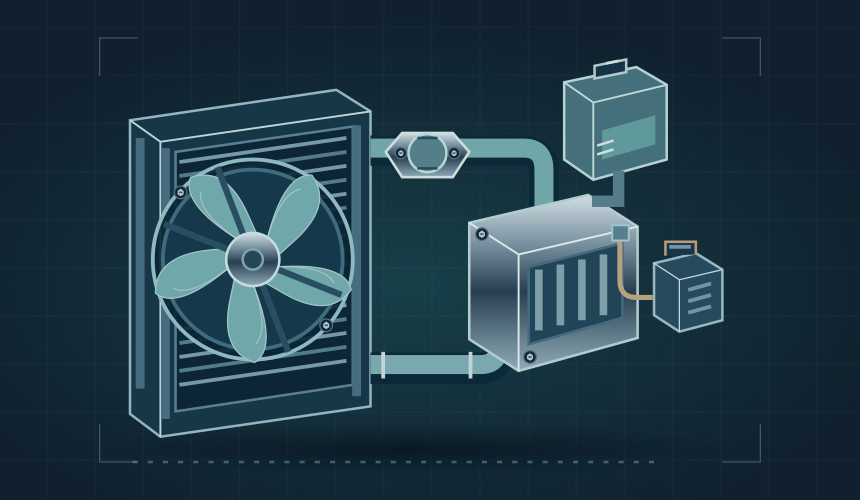 ↗
Coolant leak
Repeated cold-level loss needs a source, not just repeated top-ups. Distinguish external leakage, heater leakage and internal loss.
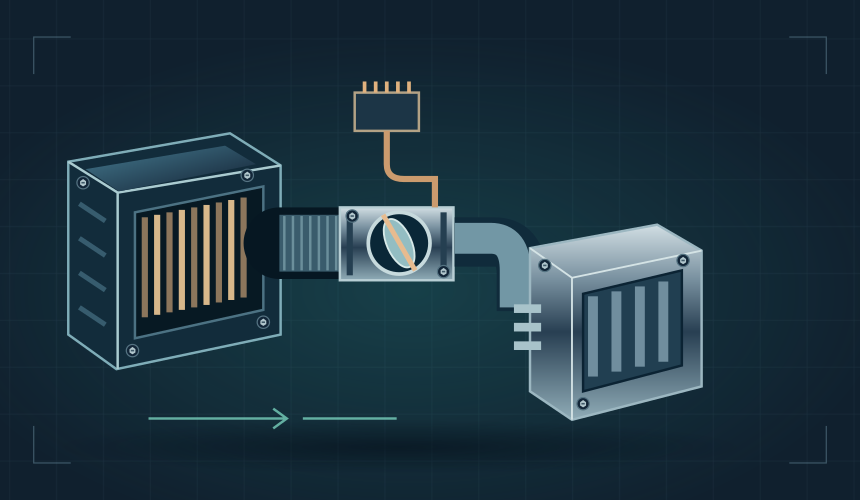 ↗
Rough or unstable idle
Watch the pattern of idle fluctuation and accompanying warnings. Air leaks, combustion faults and air control can feel similar.