 CarFault
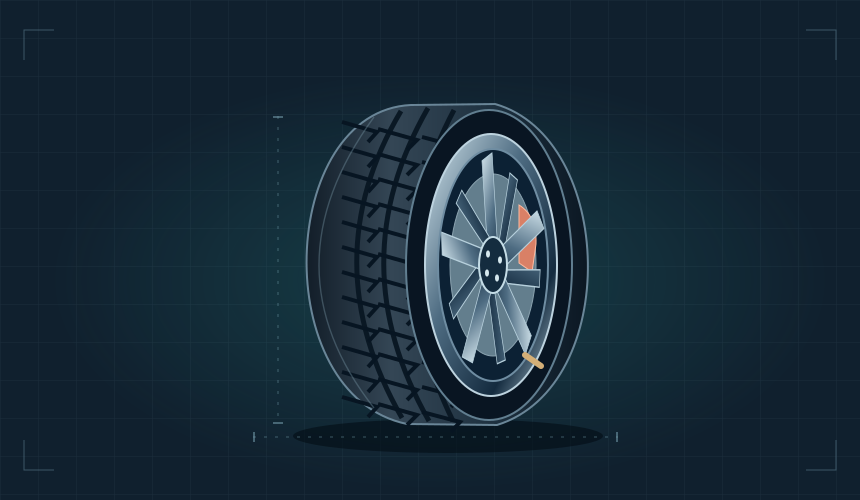
Excessive tire road noise .
Compare road texture and tread wear with load-dependent bearing noise. A louder tire does not automatically mean it is structurally safe.
This is symptom guidance, not a confirmed diagnosis. Inspection and vehicle-specific tests are needed before replacing parts.
Let’s follow the clues.
A few observations help separate the possibilities. Start with safety, then explore the symptoms you already know.
At your pace · no tools required
Understand the possibilities
Tread pattern, wear or road surface
+
Tread design and road texture affect tire noise; irregular wear can create a hum similar to a bearing.
Noise changing mainly with road surface differs from a hum that follows load in a turn. Neither identifies a fault alone.
After confirmation
Inspect tread pattern, wear, pressures and alignment and compare with wheel-bearing condition.
Wheel bearing or hub condition
+
A worn wheel bearing can hum or growl with speed and changing load. Sound travels through the body and can be difficult to locate.
Noise that changes with turning may fit a bearing, but does not reliably identify which side is faulty.
After confirmation
Inspect all relevant hubs, bearing play and related ABS encoders professionally before replacement.
Unequal pressure or tire condition
+
Pressure differences and tire condition can affect straight-line tracking. Tire construction and damage also matter.
Compare cold pressures with the placard; a persistent pull after correction needs further inspection.
After confirmation
Correct pressure to the placard, assess tire integrity and professionally investigate a persistent pull.
Urgent signs
Is control difficult, is the car suddenly unstable, or is a wheel or tire visibly damaged?
Stop driving as soon as you can safely do so. Switch the vehicle off and obtain professional roadside assistance. Do not restart to investigate.
Checks you can make safely
When safely parked, check cold tire pressures against the vehicle placard and inspect visible tread and sidewalls without going under the car.
Leave these to a professional
Do not reach into a running engine bay, work under an unsupported vehicle, bypass safety systems or open fuel, high-voltage or refrigerant circuits.
When to get help
Arrange professional inspection. Share the conditions, warning messages and your answers; ask the workshop to confirm the cause before repair.
This is symptom guidance, not a confirmed diagnosis. Inspection and vehicle-specific tests are needed before replacing parts.
A little more clarity
Can this confirm the failed part? +
This is symptom guidance, not a confirmed diagnosis. Inspection and vehicle-specific tests are needed before replacing parts.
Technical references
Sources explain general principles. Exact procedures and equipment depend on your vehicle. Editorial synthesis; no independent mechanic sign-off claimed.
Follow a related clue
 ↗
Wheel bearing hum
A bearing-like hum can also come from tire wear or driveline parts. Sound travel makes remote identification of a specific wheel unreliable.
↗ Uneven tire wear
The wear pattern is a clue, not a diagnosis. Pressure, geometry and suspension damping should be considered together.
↗ Tire pressure warning
Measure cold pressure before resetting a warning. Low inflation, a leak and a TPMS malfunction require different next steps.