 CarFault
Accessory belt squeal .
A sharp squeal can come from belt traction, tension or a loaded accessory. Keep hands and objects away from the entire drive.
This is symptom guidance, not a confirmed diagnosis. Inspection and vehicle-specific tests are needed before replacing parts.
Let’s follow the clues.
A few observations help separate the possibilities. Start with safety, then explore the symptoms you already know.
At your pace · no tools required
Understand the possibilities
Accessory belt slipping
+
Belt friction or contamination can create a sharp squeal, especially when accessory load rises.
A brief cold-start or A/C-related squeal fits better than an air hiss with power loss.
After confirmation
After checking alignment and contamination, replace worn drive parts to the vehicle specification.
Accessory belt tensioner
+
Wear in the tensioner bearing, pivot or damping mechanism can cause a whistle, squeak or rattle. Sound alone does not confirm this component.
A sound that follows engine speed even without boost warrants a drive-system inspection.
After confirmation
A workshop checks bearings, alignment and tension before replacing the confirmed faulty component.
Accessory bearing or compressor load
+
An alternator or compressor bearing can produce speed-related noise; an A/C-linked change narrows the system, not the exact part.
A/C dependence also occurs with belt slip, so compare it with the sound character.
After confirmation
Professionally isolate the noise and inspect the complete accessory drive before repair.
Urgent signs
Is there a running-engine oil-pressure warning, overheating/steam, a fuel leak, smoke/burning, severe new knocking, or a flashing engine lamp with strong shaking?
Stop driving as soon as you can safely do so. Switch the vehicle off and obtain professional roadside assistance. Do not restart to investigate.
Checks you can make safely
Park safely, switch the vehicle fully off and consult its owner manual before any visual observation. Keep clear of moving or hot components.
Leave these to a professional
Do not reach into a running engine bay, work under an unsupported vehicle, bypass safety systems or open fuel, high-voltage or refrigerant circuits.
When to get help
Arrange professional inspection. Share the conditions, warning messages and your answers; ask the workshop to confirm the cause before repair.
This is symptom guidance, not a confirmed diagnosis. Inspection and vehicle-specific tests are needed before replacing parts.
A little more clarity
Can this confirm the failed part? +
This is symptom guidance, not a confirmed diagnosis. Inspection and vehicle-specific tests are needed before replacing parts.
Technical references
Sources explain general principles. Exact procedures and equipment depend on your vehicle. Editorial synthesis; no independent mechanic sign-off claimed.
Follow a related clue
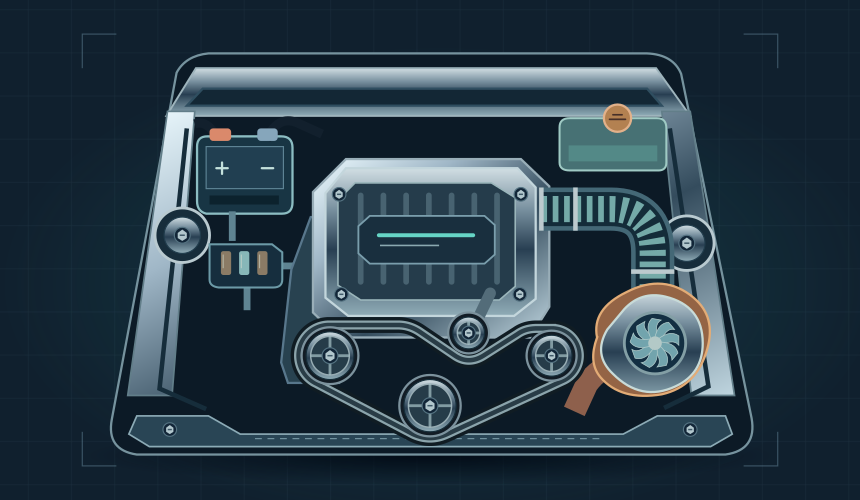 ↗
Whistling under the hood
Separate a belt squeal from an air leak. Tell us when the sound appears, explore the engine bay and compare the signs.
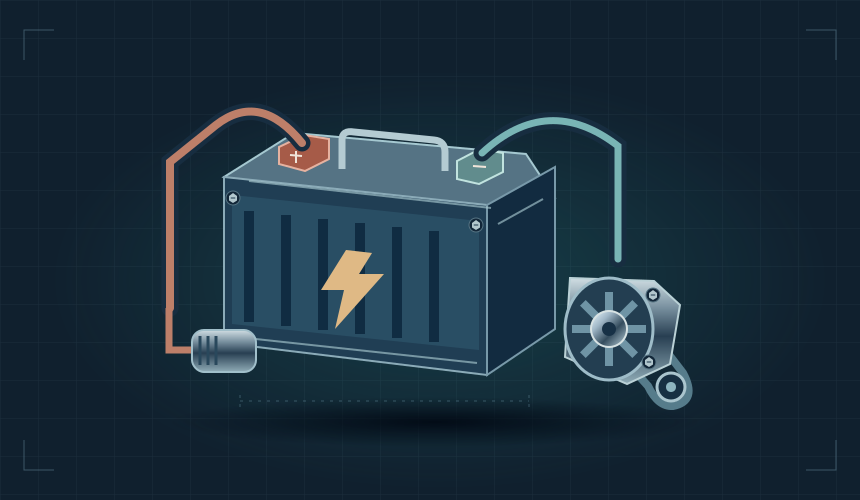 ↗
Alternator not charging
A charging complaint may involve the battery, wiring or belt as well as the alternator. Smart charging prevents a single voltage value from being universal proof.
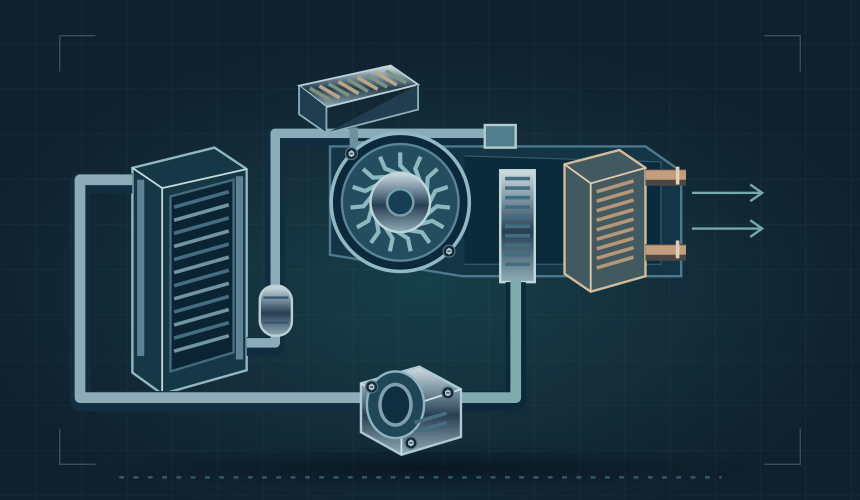 ↗
A/C isn’t cooling
Start with airflow and the pattern of cooling loss. Refrigerant leaks, air distribution and compressor control can feel similar.