 CarFault
Cooling & fluids
Explore symptoms, compare the signs and choose a safe next step.
Diagnostic tools
Matching tools 10
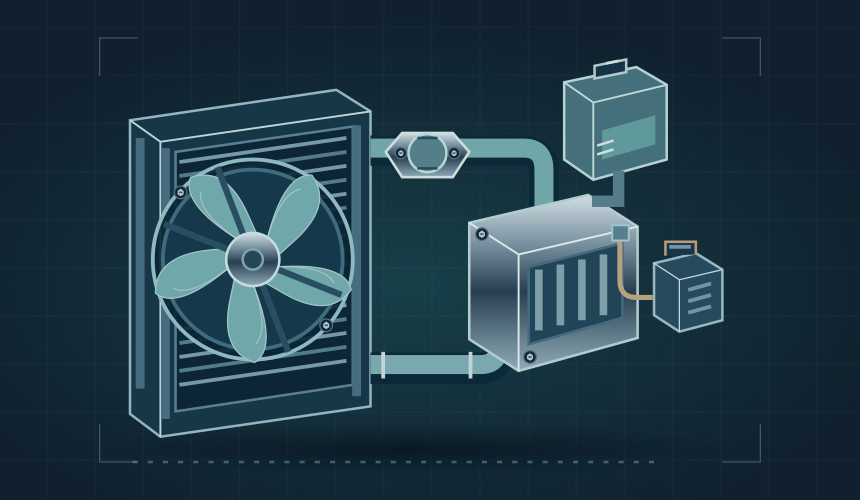
Coolant leak
Repeated cold-level loss needs a source, not just repeated top-ups. Distinguish external leakage, heater leakage and internal loss.
Low coolant warning
Check the actual cold level only as permitted by the manual. A genuine loss and a warning-circuit issue must not be confused.
Cooling fan always running
Fan after-run and A/C demand can be normal. Continuous operation from a fully cold start requires comparison with temperature and control data.
Cooling fan not running
A stationary fan is not always a fault. If temperature rises, stop safely and have fan demand, electrical supply and sensing checked.
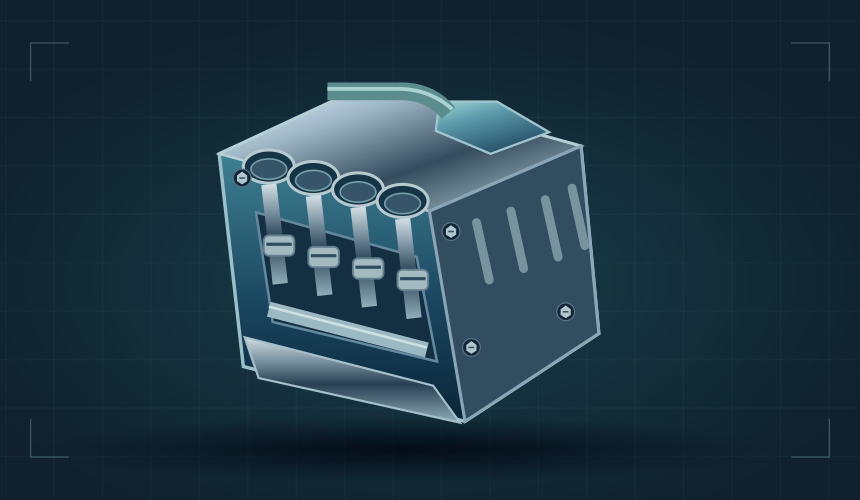
Oil pressure warning
An oil-pressure warning with the engine running means a safe stop and engine off. A normal level does not prove adequate pressure.
Engine oil leak
Identify repeated fresh loss before assuming a particular gasket has failed. Service residue and another fluid can imitate an engine-oil leak.
High oil consumption
Use the manufacturer’s measurement method to confirm a change. External leaks, oil burning and ventilation or turbo paths need separate checks.
Milky residue in engine oil
A small deposit under a filler cap differs from milky oil on the dipstick. Suspected widespread contamination means avoid running until inspected.
Suspected coolant in oil
Fluid mixing must be confirmed professionally. Engine sealing and a coolant/oil heat exchanger are different possible paths; cap residue alone is not proof.
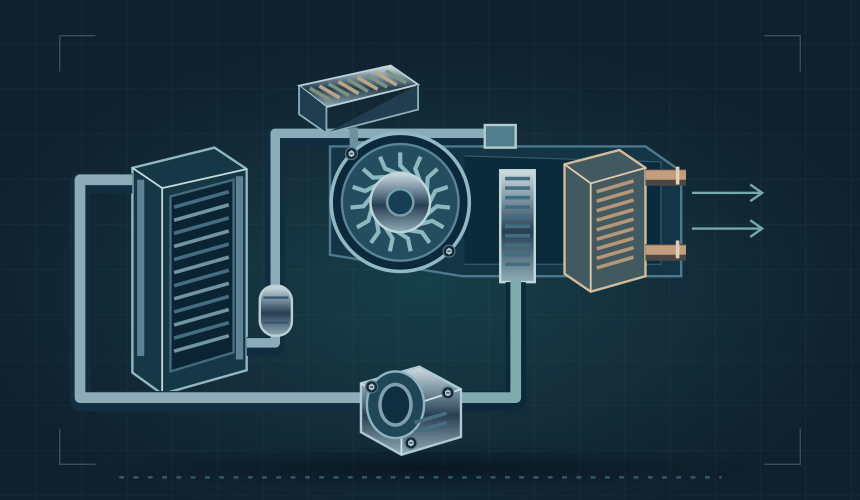
Coolant smell in the cabin
Compare heater-circuit leakage with an engine-bay leak drawn through ventilation and unrelated cabin odors. Unsafe visibility takes priority.