 CarFault
Brake pedal pulsation .
Separate genuine ABS intervention from recurring brake torque variation. Use the event you experienced, without repeating an emergency stop.
This is symptom guidance, not a confirmed diagnosis. Inspection and vehicle-specific tests are needed before replacing parts.
Let’s follow the clues.
A few observations help separate the possibilities. Start with safety, then explore the symptoms you already know.
At your pace · no tools required
Understand the possibilities
Disc thickness variation or hub runout
+
Brake torque variation can produce pulsation or steering shake during braking. Disc thickness and installed runout require measurement.
Braking-only vibration fits this path more than vibration at the same speed without braking.
After confirmation
Measure discs and hub mounting surfaces; correct the confirmed fault using manufacturer limits.
ABS activation or false low-speed activation
+
Pedal pulsing can be expected during genuine ABS intervention, while unexpected activation on a dry surface may need wheel-speed signal checks.
Pulsing only during a hard stop on a slippery surface differs from repeatable shake during gentle ordinary braking.
After confirmation
Compare the exact event with the manual; inspect ABS codes and wheel-speed signals if activation is unexplained.
Suspension or steering joint wear
+
Worn bushings or joints may allow movement under braking loads and amplify steering vibration.
Clunks, wander or vibration outside braking also support inspecting suspension, not just discs.
After confirmation
Inspect joints, bushings and mountings under the correct workshop loading conditions.
Urgent signs
Has braking weakened, does the pedal sink, or is there a fluid leak, smoke or a red brake warning?
Stop driving as soon as you can safely do so. Switch the vehicle off and obtain professional roadside assistance. Do not restart to investigate.
Checks you can make safely
From outside a parked, cooled vehicle, note warning messages and visible leakage. Do not road-test reduced braking or touch hot wheels and discs.
Leave these to a professional
Do not reach into a running engine bay, work under an unsupported vehicle, bypass safety systems or open fuel, high-voltage or refrigerant circuits.
When to get help
Arrange professional inspection. Share the conditions, warning messages and your answers; ask the workshop to confirm the cause before repair.
This is symptom guidance, not a confirmed diagnosis. Inspection and vehicle-specific tests are needed before replacing parts.
A little more clarity
Can this confirm the failed part? +
This is symptom guidance, not a confirmed diagnosis. Inspection and vehicle-specific tests are needed before replacing parts.
Technical references
Sources explain general principles. Exact procedures and equipment depend on your vehicle. Editorial synthesis; no independent mechanic sign-off claimed.
Follow a related clue
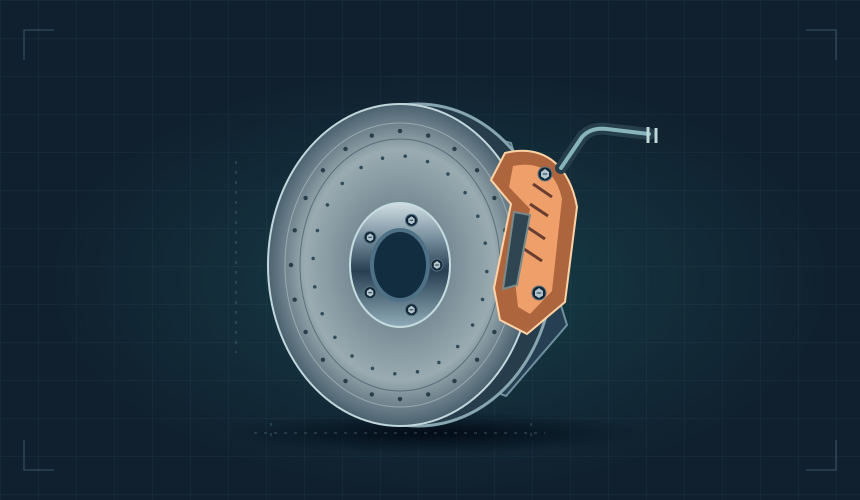 ↗
Steering wheel shakes when braking
Compare braking-only shake with speed-related vibration. Brake discs, wheel mounting and suspension can overlap.
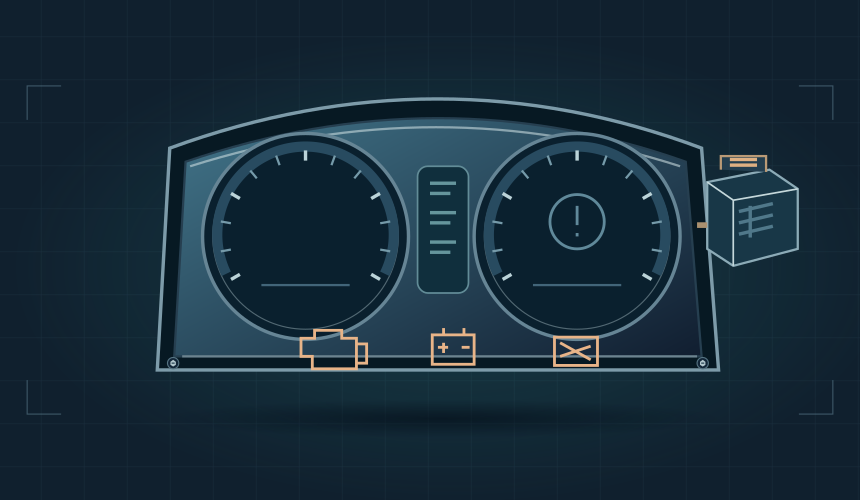 ↗
ABS warning light
An ABS warning can mean anti-lock assistance is unavailable. A red brake warning or reduced braking takes priority and requires a safe stop.
↗ Squealing brakes
A squeal can come from friction surfaces, fitting hardware or caliper movement. Its timing and accompanying signs matter.