 CarFault
Car pulls to one side when braking .
Braking-only pull needs a brake and tire inspection. Unequal brake action, friction damage and tire condition can overlap.
This is symptom guidance, not a confirmed diagnosis. Inspection and vehicle-specific tests are needed before replacing parts.
Let’s follow the clues.
A few observations help separate the possibilities. Start with safety, then explore the symptoms you already know.
At your pace · no tools required
Understand the possibilities
Caliper movement or brake drag
+
Sticking guides or a piston can produce uneven wear, squeal, pull or heat.
Persistent one-sided noise and pull support checking caliper operation; never touch a hot wheel to compare temperatures.
After confirmation
Service the confirmed sticking component and inspect pads/discs and hydraulic condition.
Severely worn or damaged friction parts
+
Worn pads or damaged discs can produce grinding and reduced braking. Metal-on-metal noise warrants stopping use until inspected.
Persistent harsh grinding differs from a faint initial squeal; sound cannot measure remaining pad or disc thickness.
After confirmation
Inspect friction parts, calipers and debris professionally and replace confirmed damaged components to specification.
Unequal pressure or tire condition
+
Pressure differences and tire condition can affect straight-line tracking. Tire construction and damage also matter.
Compare cold pressures with the placard; a persistent pull after correction needs further inspection.
After confirmation
Correct pressure to the placard, assess tire integrity and professionally investigate a persistent pull.
Urgent signs
Has braking weakened, does the pedal sink, or is there a fluid leak, smoke or a red brake warning?
Stop driving as soon as you can safely do so. Switch the vehicle off and obtain professional roadside assistance. Do not restart to investigate.
Checks you can make safely
From outside a parked, cooled vehicle, note warning messages and visible leakage. Do not road-test reduced braking or touch hot wheels and discs.
Leave these to a professional
Do not reach into a running engine bay, work under an unsupported vehicle, bypass safety systems or open fuel, high-voltage or refrigerant circuits.
When to get help
Arrange professional inspection. Share the conditions, warning messages and your answers; ask the workshop to confirm the cause before repair.
This is symptom guidance, not a confirmed diagnosis. Inspection and vehicle-specific tests are needed before replacing parts.
A little more clarity
Can this confirm the failed part? +
This is symptom guidance, not a confirmed diagnosis. Inspection and vehicle-specific tests are needed before replacing parts.
Technical references
Sources explain general principles. Exact procedures and equipment depend on your vehicle. Editorial synthesis; no independent mechanic sign-off claimed.
Follow a related clue
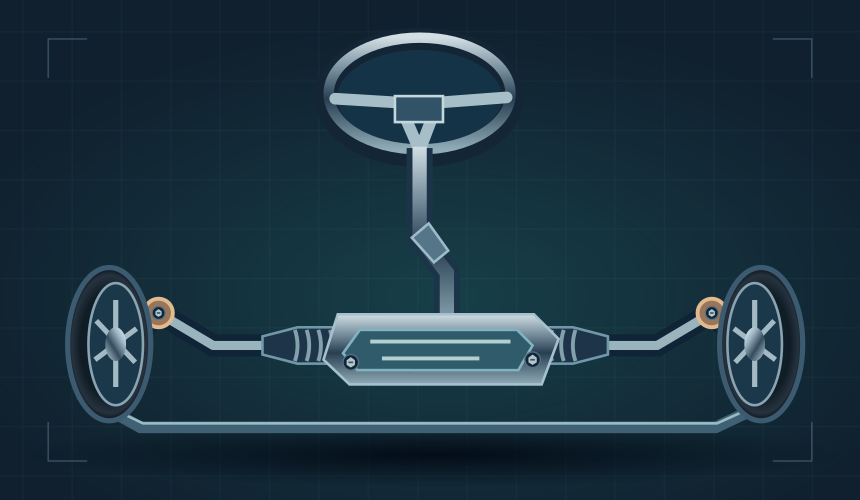 ↗
Car pulls to one side
Separate a constant pull from one that appears during braking. Tires, alignment and brakes each need different evidence.
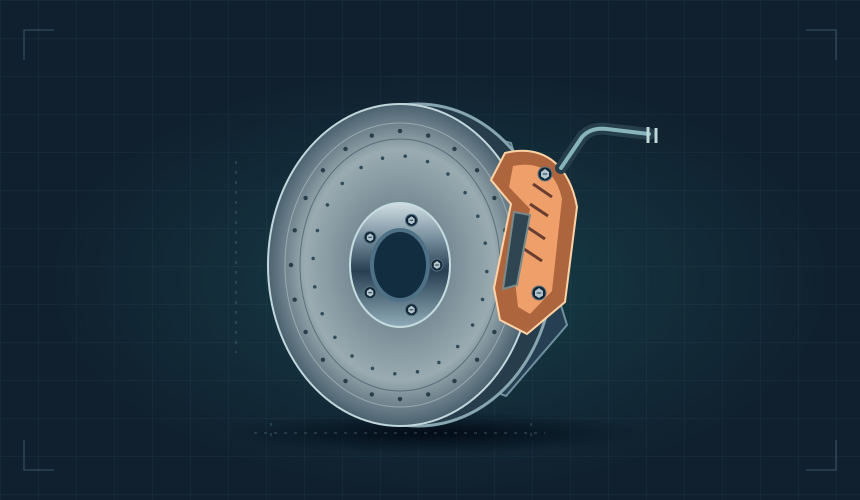 ↗
Grinding when braking
Harsh metallic grinding needs a brake inspection before reuse. Wear, damaged friction parts and a dragging caliper are different possibilities.
↗ Brakes overheating
Smoke, severe heat or reduced braking means stop safely. When cool and safe, prior conditions help separate repeated braking from brake drag.